Galapagos Yacht Charter
Lying roughly 1,000 kilometres off the coast of Ecuador in the equatorial eastern Pacific, the Galápagos archipelago represents one of Earth’s most strictly protected marine environments. Private yacht chartering here is an immersive, small-ship expedition experience—combining exclusive-use vessel privacy, certified naturalist guidance, and carefully regulated access across dramatic volcanic islands.
Why Charter a Yacht in the Galápagos?
Unlike leisure cruising grounds in the Mediterranean or Caribbean where yachts drop anchor at will, the Galápagos Islands are governed by the rigorous conservation frameworks of the Galápagos National Park Directorate and the Galápagos Marine Reserve. Over 97% of the land area is strictly preserved national park, making exploration via authorised expedition vessels the primary and most ecologically responsible way to experience the archipelago.
A true private yacht charter here is fundamentally different from a scheduled cruise. While shared expedition vessels sell individual cabins on predetermined departures with mixed passenger groups, an exclusive-use charter—typically arranged as a full-vessel buyout of an authorised boutique expedition vessel or permitted private yacht—secures complete seclusion. Charterers enjoy sole occupancy of all staterooms, dedicated social lounges, and the attentive guidance of certified naturalist guides focused entirely on their party.
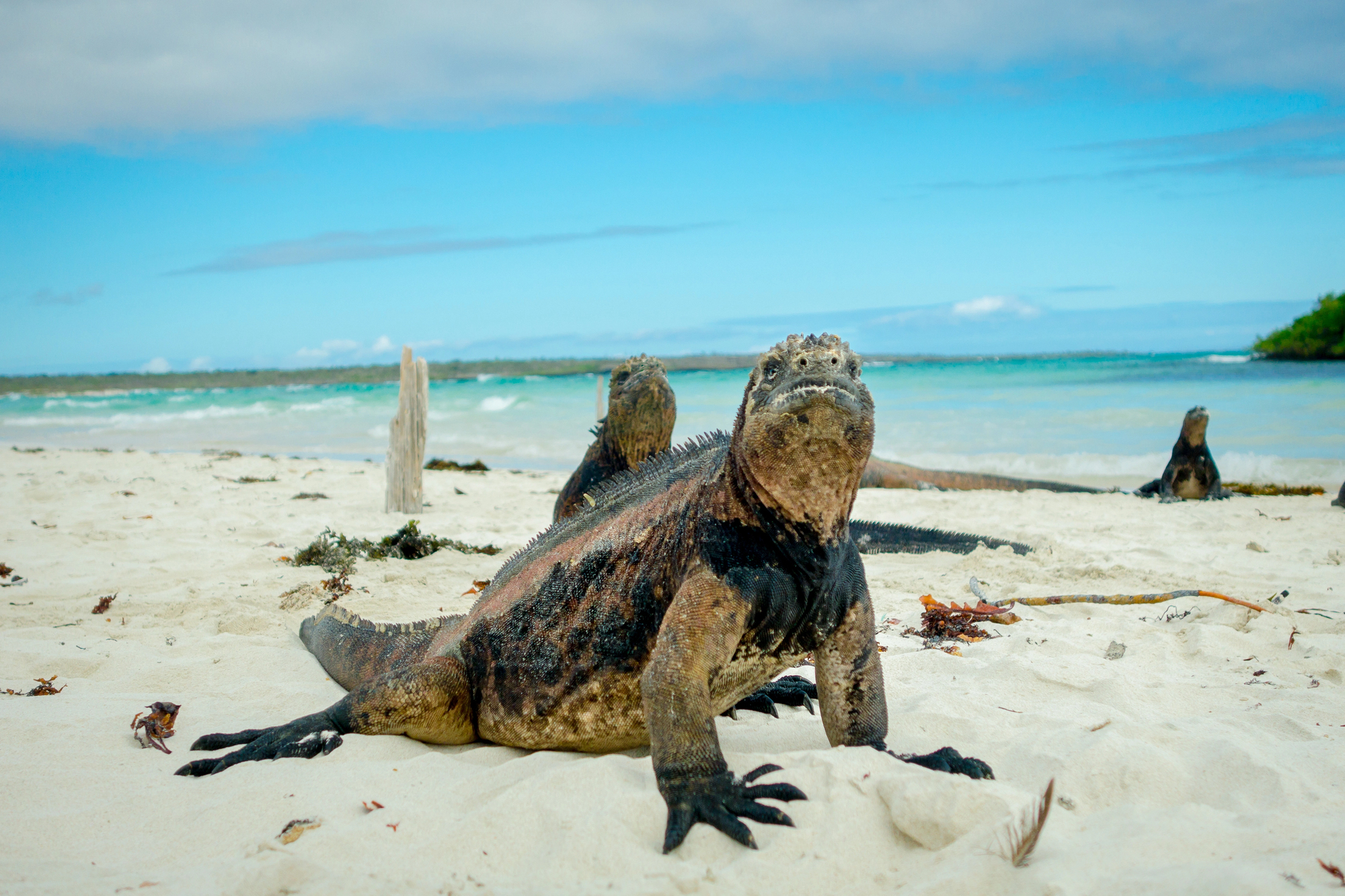
From the water, the drama of this equatorial volcanic landscape unfolds daily. Pristine basalt cliffs plunge into nutrient-rich Pacific upwellings where guests snorkel alongside marine iguanas, Galápagos penguins, sea lions, and green sea turtles. Ashore, marked trails through surreal lava fields and highland cloud forests present close encounters with giant tortoises and endemic wildlife found nowhere else on Earth.
Islands and Expedition Highlights
Each island in the Galápagos ecosystem possesses unique evolutionary characteristics, varied geological formations, and distinct endemic species. Authorised itineraries generally focus on regional circuits approved by the park authority.
Santa Cruz
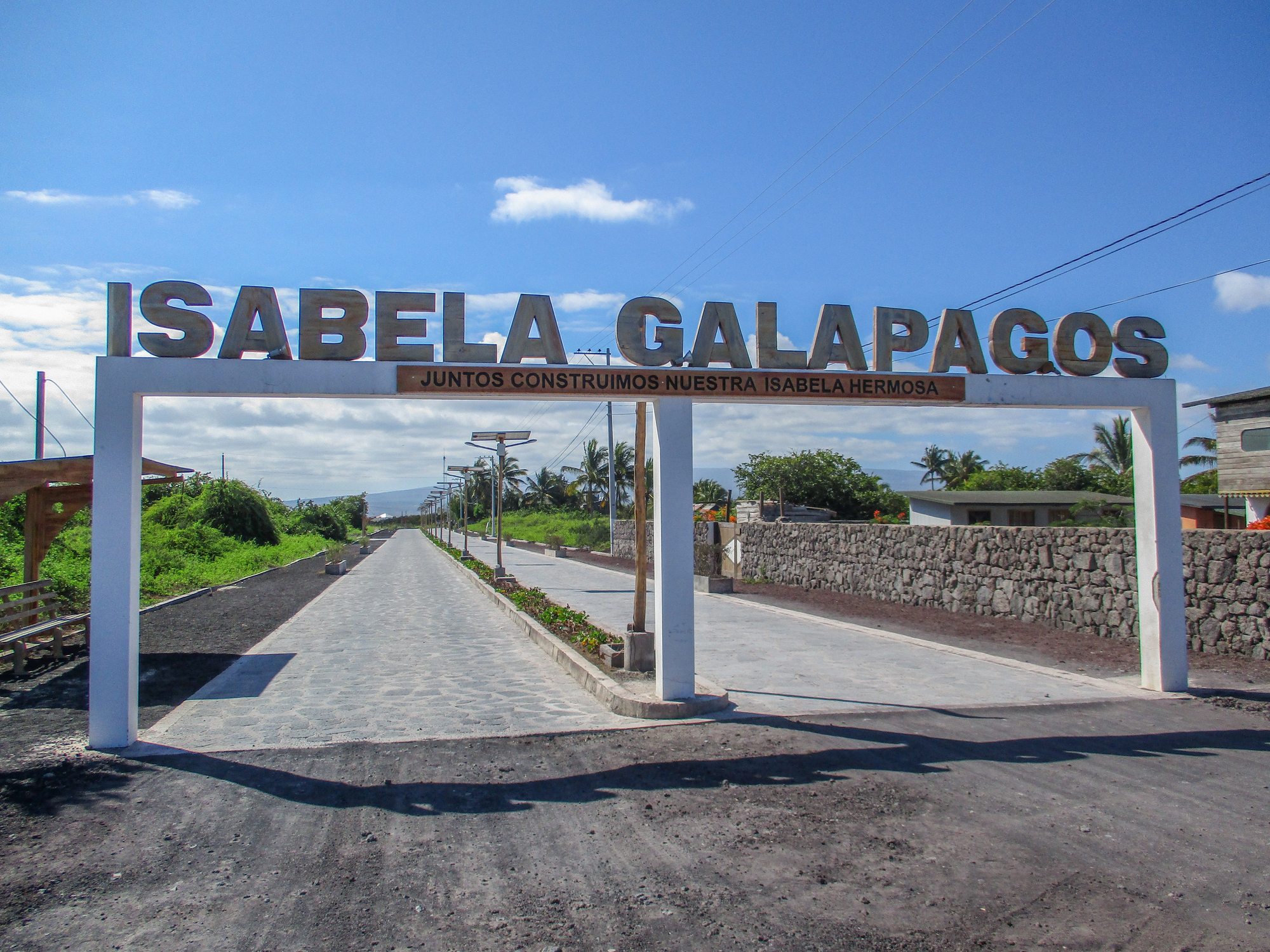
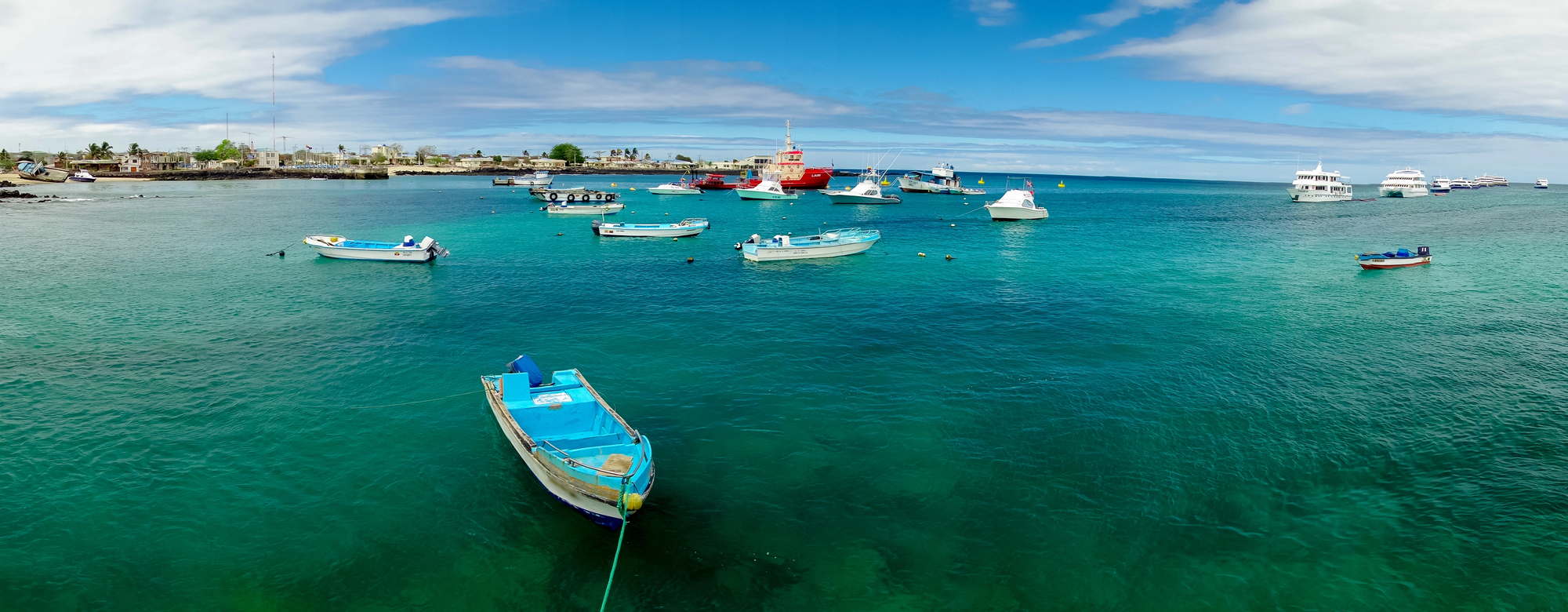
The primary logistical centre of the archipelago. Santa Cruz is renowned for its lush agricultural highlands where wild Galápagos giant tortoises roam freely, the Charles Darwin Research Station, and the waterfront settlement of Puerto Ayora in Academy Bay.
Isabela
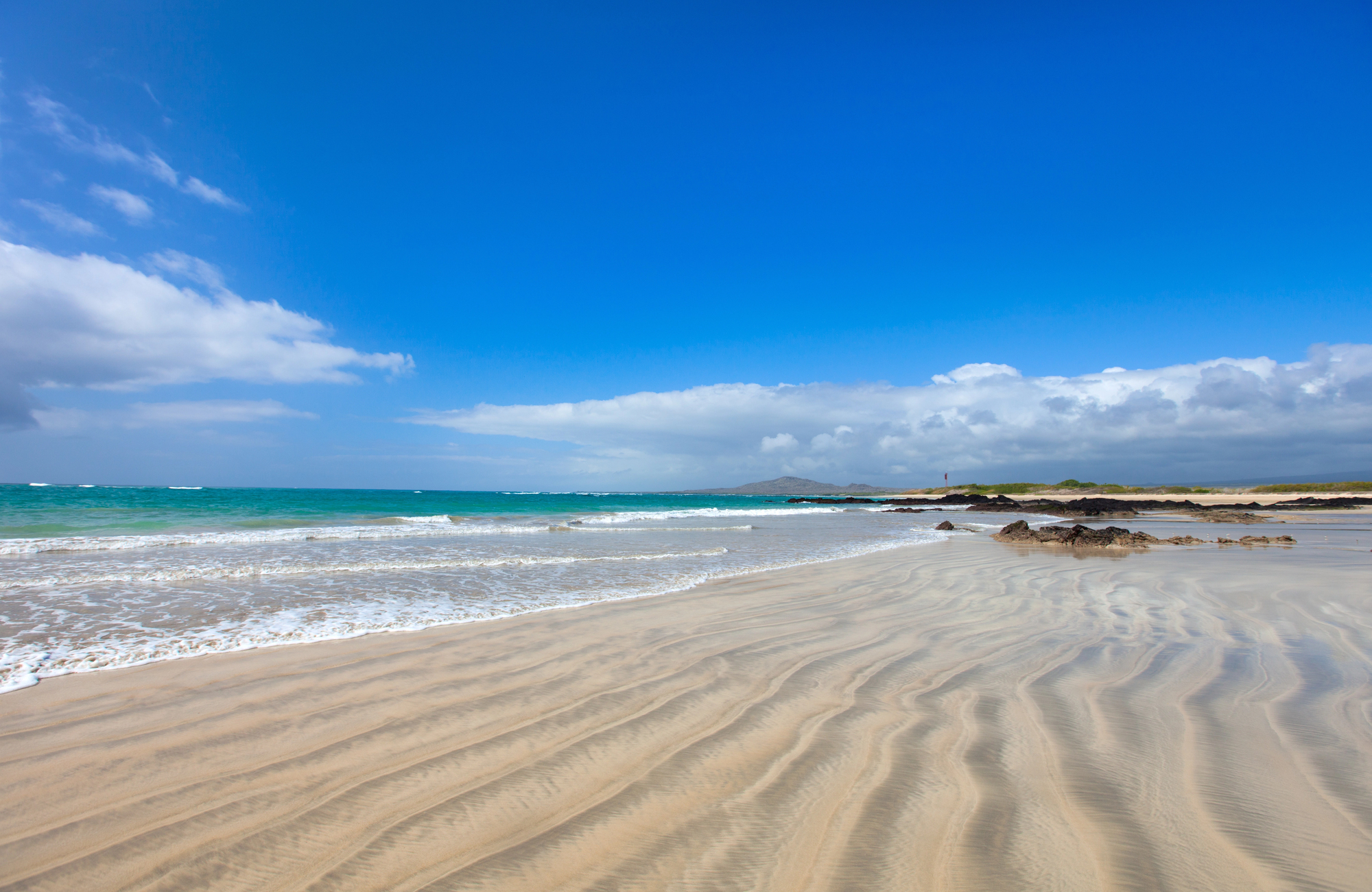
The largest island in the chain, formed by merged shield volcanoes. The western shores around Tagus Cove and Urbina Bay offer dramatic volcanic scenery, flightless cormorants, Galápagos penguins, and cetacean sightings along the Bolivar Channel.
Fernandina
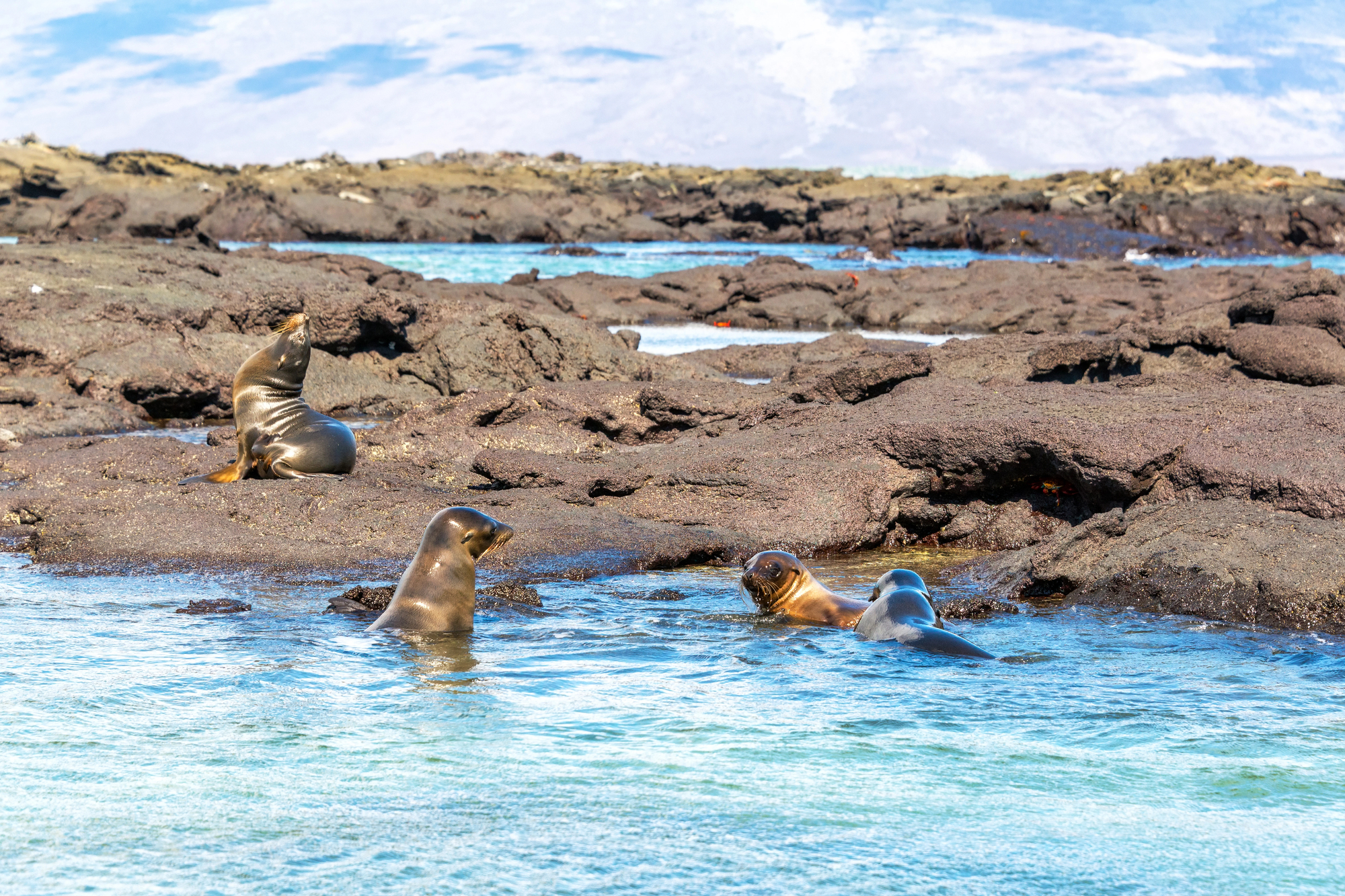
The youngest and most volcanically active island in the archipelago. Punta Espinosa presents an extraordinary expanse of black lava inhabited by dense marine iguana colonies, Sally Lightfoot crabs, flightless cormorants, and Galápagos hawks.
Española
The southernmost island, celebrated for Gardner Bay's turquoise waters and Punta Suarez's maritime blowholes. It hosts the primary breeding colony of the waved albatross (April–December), alongside Nazca boobies and vivid marine iguanas.
Genovesa
A collapsed volcanic caldera in the northern archipelago forming Darwin Bay. Revered as the ultimate avian sanctuary, Genovesa provides nesting grounds for thousands of red-footed boobies, great frigatebirds, and swallow-tailed gulls under strict visitor access.
Regulatory & Conservation Reality: Exploration in the Galápagos is strictly regulated to protect vulnerable ecosystems. Specific operating permits, anchorage permissions, authorized visitor-site itineraries, and guide requirements depend on vessel authorization, operating category, intended maritime activities, and approved visitor sites administered under Ecuadorian conservation mandates.
Vessel Types and Charter Models
Vessels licensed for expedition cruising in the Galápagos are governed by strict environmental criteria. Choosing the right arrangement depends on your party size, comfort expectations, and preferred style of voyage.
Exclusive-Use Buyouts
The benchmark for private family gatherings and bespoke parties. Chartering an entire licensed boutique expedition vessel (typically 8 to 16 cabins) guarantees total exclusivity, personalised onboard hospitality, and privacy within the vessel's approved park route.
Expedition Catamarans
Purpose-built power and sailing catamarans offer wide beams and exceptional stability during inter-island passages. Their shallow draft allows convenient tender operations and generous open-deck observation areas for wildlife viewing.
Luxury Motor Yachts
Expedition motor yachts combine refined interior appointments, advanced hull stabilisation, and quiet transit capability between visitor sites, providing high comfort for travellers seeking classic maritime elegance.
Visiting Superyachts
Private international superyachts face stringent regulatory criteria. Navigation permits, biosecurity protocols, permitted anchorages, and inspection requirements must be confirmed directly with the appropriate Ecuadorian and Galápagos authorities for the specific vessel.
When to Charter in the Galápagos
Positioned directly across the Equator, the Galápagos archipelago does not experience standard tropical wet and dry seasons. Instead, its maritime climate is driven by conflicting oceanic currents—the warm Panama Current and the cool, nutrient-dense Humboldt and Cromwell upwellings.
Warm & Wet Season (December – May): Characterised by calm Pacific seas, warm sunshine, and water temperatures averaging 24°C to 28°C. Brief tropical showers occur, creating lush island foliage. This is widely considered the ideal window for calm navigation, snorkelling without thick wetsuits, and observing giant tortoise hatchings and green sea turtle nesting.
Cool & Dry "Garúa" Season (June – November): Driven by the southern Humboldt Current, bringing cooler sea temperatures (19°C–23°C), brisk south-easterly breezes, and misty coastal skies (garúa). Plankton blooms dramatically enrich the marine food chain, drawing exceptional numbers of cetaceans, feeding sea birds, penguins, and whale sharks around Darwin and Wolf.
Wildlife viewing is extraordinary throughout every calendar month, as native fauna does not migrate away from the islands.
Galápagos Charter Costs
Charter pricing in the Galápagos is structured differently from traditional Mediterranean or Caribbean charters. Because operations are strictly monitored expeditions, most whole-vessel buyouts operate on comprehensive packages covering vessel hire, full-board gourmet catering, marine fuel for approved routes, and guide wages.
For some crewed yacht charters, an Advance Provisioning Allowance (APA) is collected to cover expenses such as fuel, food and berthing. The amount and arrangements depend on the yacht and charter agreement.
To examine how baseline charter rates, operating disbursements, and APA arrangements function across global destinations, explore our comprehensive resource:
Understanding Total Expedition Outlay
Note: Charter A Yacht provides independent informational research. Final charter quotations and agreements must be confirmed directly through certified yacht brokers.
An Illustrative Archipelago Expedition
Unlike flexible coastal cruising where daily destinations can be adjusted on a whim, Galápagos itineraries follow navigation tracks approved by the National Park Directorate to distribute visitor traffic sustainably.
Baltra Arrival & Santa Cruz Highlands
Arrive via Baltra Island and transfer to your charter vessel. Explore the Santa Cruz highlands to view giant tortoises roaming mist-shrouded pastures and walk through volcanic lava tunnels before setting course across the archipelago.
Isabela & Fernandina Shorelines
Cruise the deep waters of the Bolivar Channel between Isabela and Fernandina. Experience zodiac excursions along dramatic volcanic cliffs, observing flightless cormorants, feeding penguins, and basking marine iguana colonies.
Volcanic Landmarks & Marine Shallows
Anchor off landmark formations such as Bartolomé or North Seymour. Snorkel along submerged volcanic reefs among whitetip reef sharks and sea lions, and witness courtship displays in coastal seabird colonies before disembarkation.
Operational Advisory: Specific island sequences, anchorages, landing sites, and tender routes are designated within each vessel's authorized park itinerary. Itineraries cannot be altered informally during the voyage.
Explore More Yacht Charter Destinations
Evaluating expedition routes alongside leisure cruising? Each region presents distinct maritime geography, navigation rules, and shoreside atmospheres.
Belize
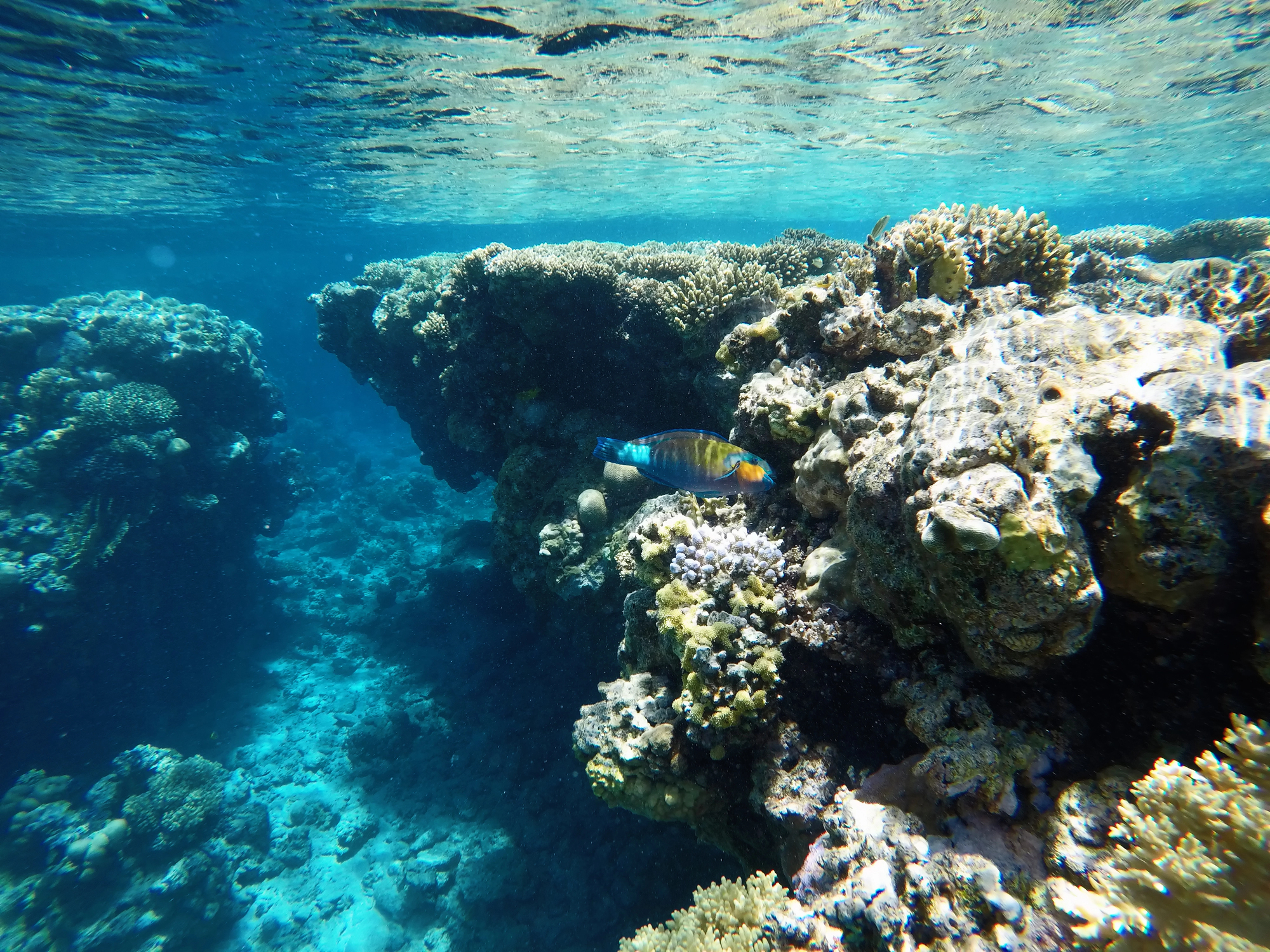
Protected by the Mesoamerican Barrier Reef, offering calm inner-lagoon cruising, shallow coral cayes, and unhurried catamaran exploration.
Barbados
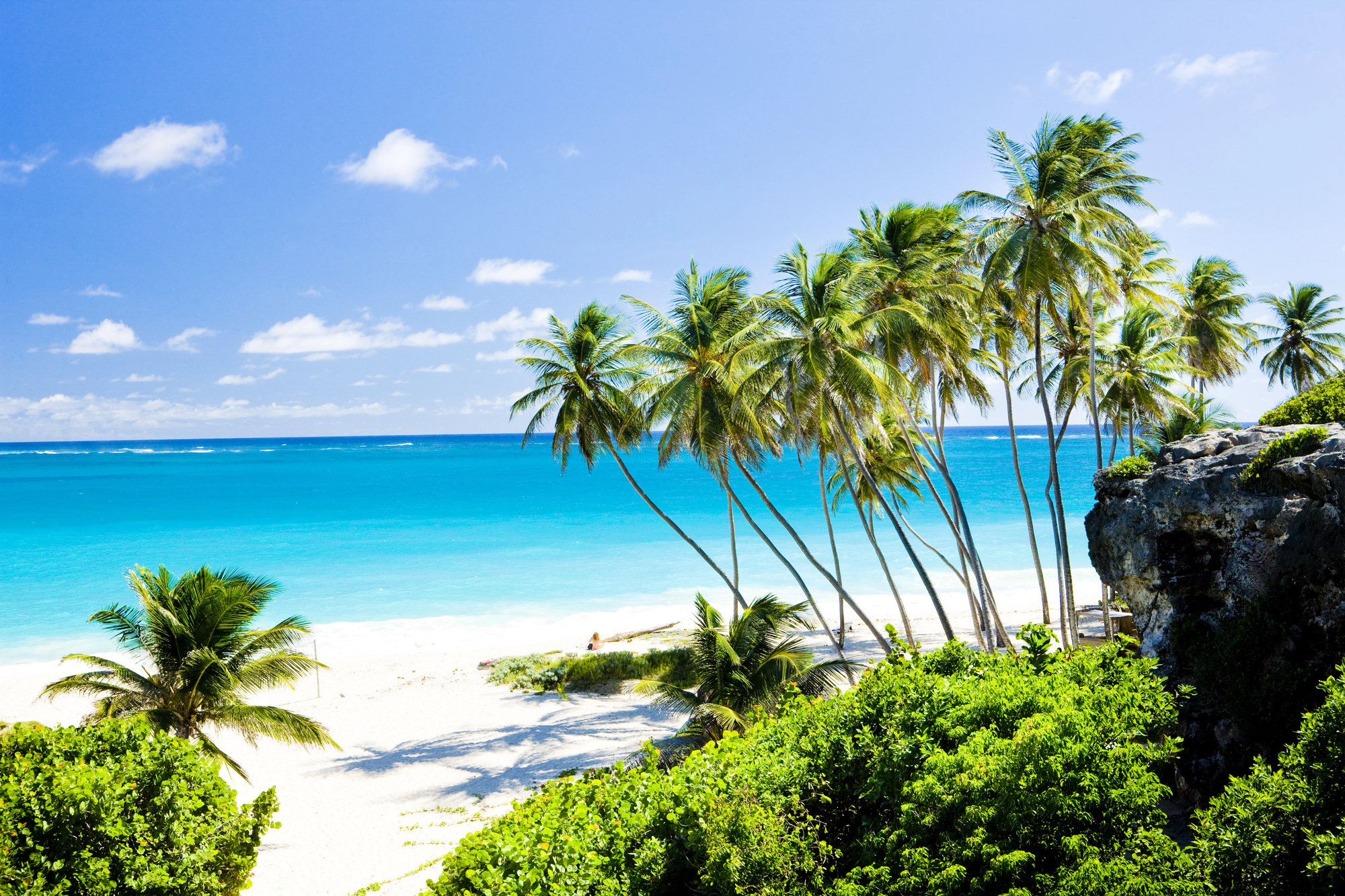
A standalone coral island featuring serene leeward day cruising along the Platinum Coast, paired with refined beachfront restaurants and resorts ashore.
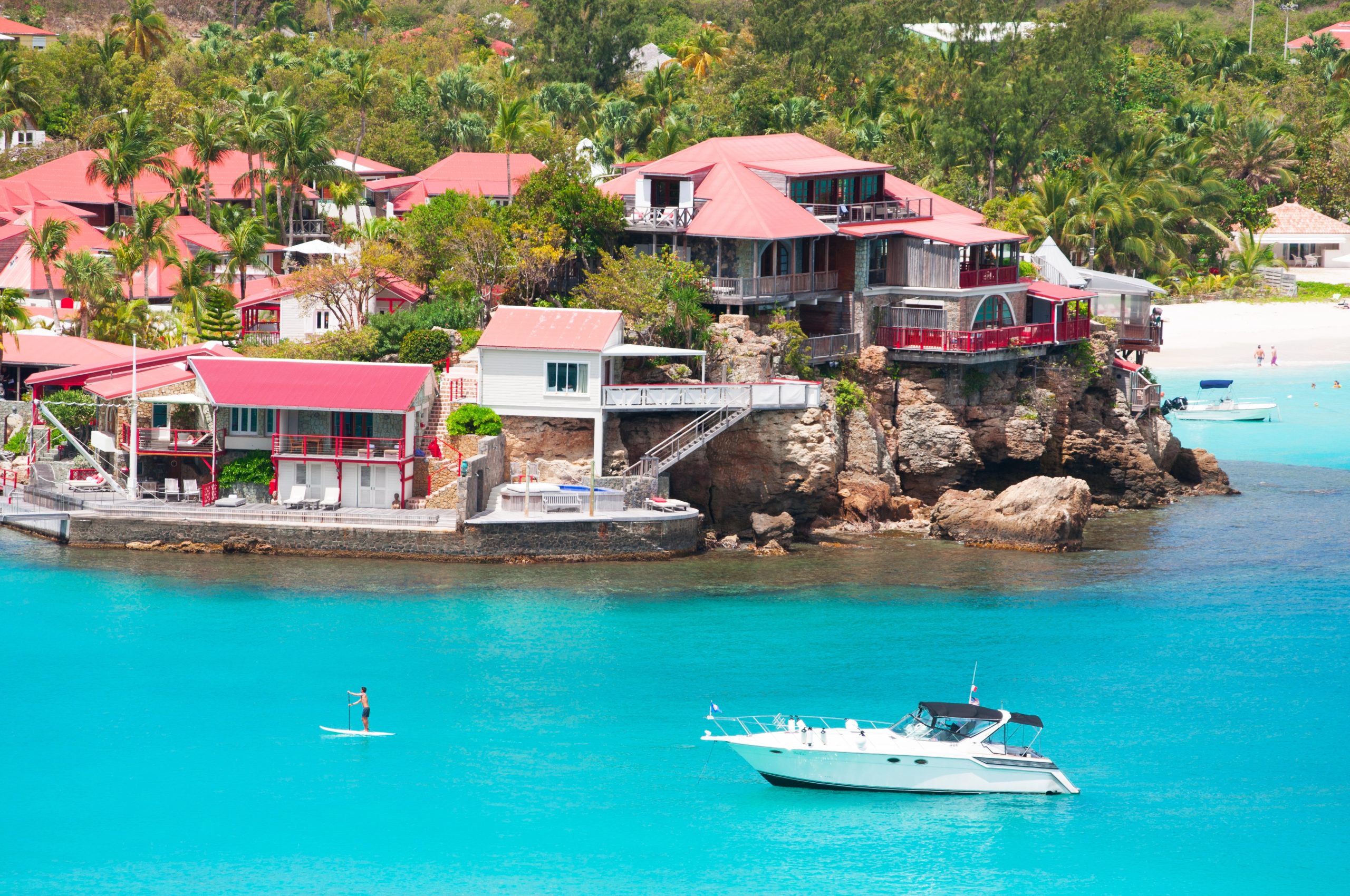
St Barts
The glamorous epicentre of Caribbean superyacht gatherings, high-end shopping, and vibrant social scenes, contrasting sharply with isolated Pacific conservation grounds.
For comprehensive coverage of Central and South American cruising grounds, explore our continental guide:
Central & South America Yacht Charter Regional Guide →Planning Your Galápagos Charter
Arranging an expedition charter in the Galápagos requires planning significantly further ahead than standard cruising holidays. Strict vessel capacity caps and tightly controlled National Park permits mean top vessels book up to a year in advance.
Choose Your Itinerary Route: Rotational schedules alternate between western circuits (dramatic volcanoes, whales, penguins) and southern/eastern circuits (albatross colonies, classic sandy bays, boobies).
Review Biosecurity Protocols: Prior to boarding, all luggage, footwear, and equipment undergo strict biosecurity screening to prevent the introduction of invasive species.
Work Through an Experienced Broker: An independent yacht broker confirms vessel licensing, confirms appropriately licensed naturalist guides where required, and coordinates logistical connections via mainland Ecuador (Quito or Guayaquil).
Frequently Asked Questions
Independent guidance addressing common questions regarding yacht charters in the Galápagos Islands.
Can private yachts drop anchor anywhere in the Galápagos?
No. Unrestricted anchoring is strictly forbidden. The Galápagos National Park Directorate enforces designated anchorage coordinates and strict visitor-site time slots. Shore excursions and marine activities must be conducted under authorized operating protocols and qualified guide supervision.
What is the difference between a whole-vessel buyout and a private charter?
In the Galápagos, most private yacht charters operate as a "whole-vessel buyout" of an authorized boutique expedition vessel (typically 8 to 16 cabins). This grants your private party sole occupancy of the yacht’s amenities and service, while following the vessel's legally mandated National Park itinerary.
What is the best time of year to charter a yacht in the Galápagos?
Wildlife is abundant year-round. The warm season (December to May) offers calmer seas, warmer water (24°C–28°C), and sunshine. The cool "garúa" season (June to November) features brisk breezes, cooler waters (19°C–23°C), and nutrient-rich currents that attract massive marine life, including whale sharks.
How do guests travel to their charter yacht in the Galápagos?
Charterers fly commercially or via private jet from mainland Ecuador (either Quito or Guayaquil) to one of two island airports: Baltra Island (GPS) or San Cristóbal (SCY). Upon clearing biosecurity and park immigration, guests transfer directly to their yacht's tender.
How are charter costs structured in the Galápagos?
Charter pricing depends on vessel type, season, crew size and itinerary. Some charters offer inclusive or semi-inclusive rates, while others charge operating expenses separately. An APA may apply depending on the yacht and charter agreement.