Florida Keys Yacht Charter: Private Yacht Rentals & Island-Hopping Guide
Explore North America’s only living barrier reef, historic island settlements, and tranquil mangrove sanctuaries. An independent guide to private yacht rentals, local cruising passages between Key Largo and Key West, and practical planning for shallow-water coral navigation.
Where Living Barrier Reefs Meet Shallow Island Sounds
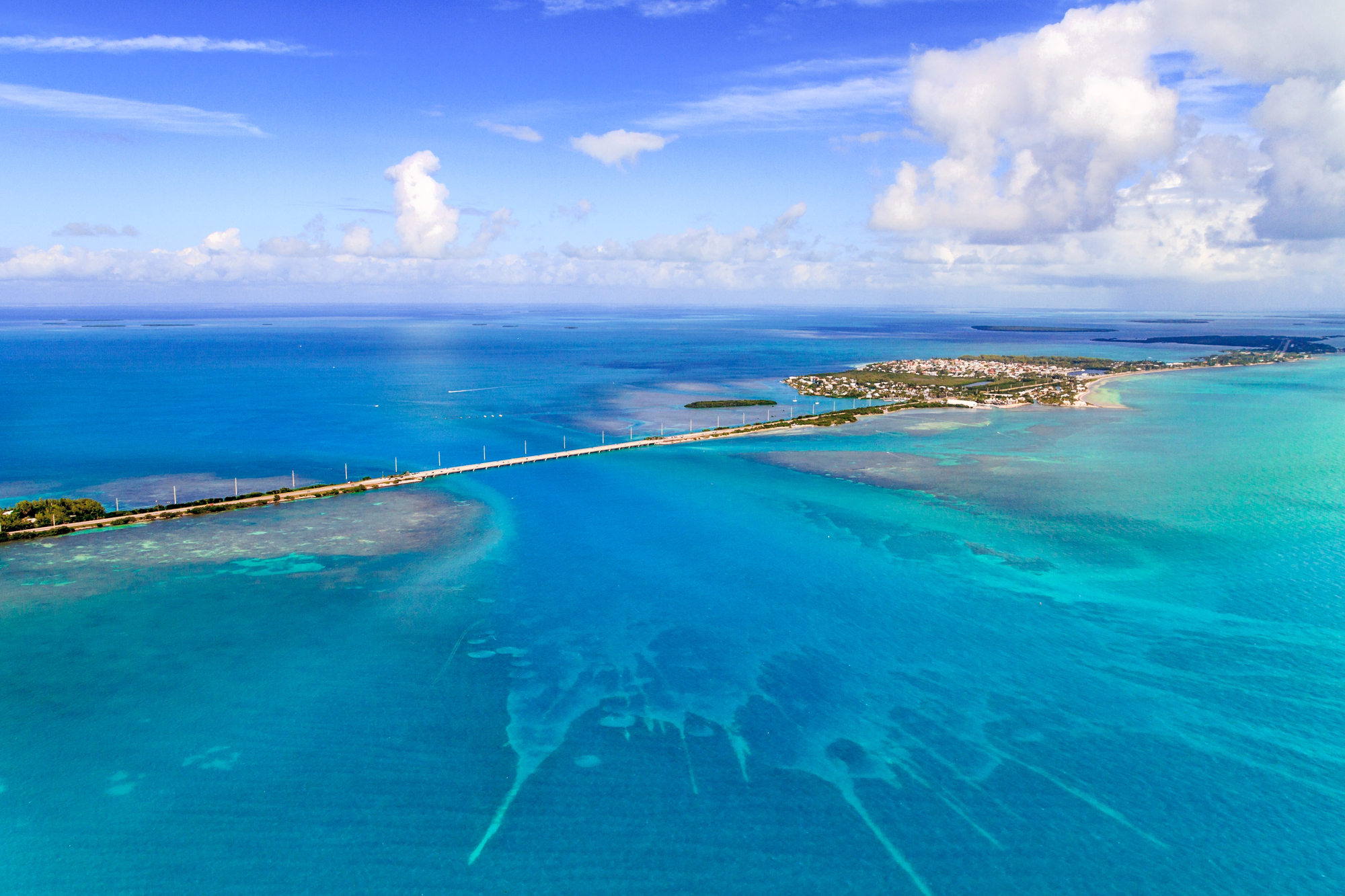
Curving southwest from the tip of mainland Florida to the historic maritime outpost of Key West, the Florida Keys archipelago forms a unique cruising realm spanning over 125 miles of island geography.
An independent Florida Keys yacht charter offers an experience fundamentally distinct from mainland Florida yachting. While Miami yacht charters centre on energetic bay sandbars and skyline views, and Fort Lauderdale is shaped by deep residential canals, the Florida Keys are governed by delicate marine sanctuaries, coral banks, and vast tidal flats.
Cruising here divides naturally between two distinct aquatic environments: the Atlantic-facing Hawk Channel, sheltered by offshore outer barrier reefs, and the tranquil, shallow waters of Florida Bay and the Gulf of Mexico. Navigating between them requires an understanding of vessel draft, marked channels, and fixed-span bridges along the Overseas Highway. For charterers, matching vessel dimensions to these natural and structural boundaries is essential for a safe and unhurried voyage.
Draft & Clearance Constraints
Unlike deep offshore roadsteads, the Florida Keys feature extensive coral heads, shallow grass flats, and mangrove cuts. Navigational access and routing flexibility depend heavily on a yacht's actual water draft, localized water depths, tidal height fluctuations, official navigational charts, and chosen passage fairways. Passages through Florida Bay or backcountry shallows are subject to strict depth constraints, while larger or deeper-draft vessels generally navigate via marked Atlantic channels.
Types of Yacht Charters & Rentals in the Florida Keys
The terms "boat rental" and "private yacht charter" describe different services with distinct operational parameters, regulatory structures, and crew qualifications.
| Charter Format | Typical Purpose & Duration | Crew & Operational Structure | Key Questions to Ask |
|---|---|---|---|
| Private Crewed Motor Yacht | Full-day reef excursions, milestone gatherings, corporate entertaining (4–8 hours) | Professional USCG-licensed captain plus dedicated deckhand or steward | What is the vessel’s water draft for shallow reef approaches? Are fuel, ice, and watersports gear included? |
| Sailing Yacht Charter | Half-day coastal cruises, romantic sunset sails, relaxed day charters | Credentialed sailing captain managing navigation and deck operations | Does the itinerary allow genuine sailing under canvas, or is auxiliary engine motoring standard along the channel? |
| Sailing or Power Catamaran | Family reef exploration, shallow anchorage cruising, multi-day liveaboard trips | Professional captain with optional private chef or mate | Does the vessel's shallow draft permit anchoring near shallow backcountry sandbars and inner sounds? |
| Multi-Day Term Charter | Extended island-hopping from Key Largo or Miami down to Key West (3–7+ days) | Full commercial crew managing navigation, engineering, and onboard hospitality | What Advance Provisioning Allowance (APA) applies? What are the fuel burn rates at cruising speed? |
| Captained Day Boat Rental | Casual sandbar trips, snorkeling excursions, light coastal fishing (4–8 hours) | Local mariner engaged directly or via compliant charter agreement | Are safety snorkel vests, floating mats, and basic cooler provisions provided aboard? |
| Self-Drive Recreational Rental | Independent day boating on small craft (e.g. center consoles, deck boats) | Operated by the renter, subject to state boater education laws, owner vetting, and insurance rules | What shallow-water geographic boundaries apply? What security deposit and experience documentation are required? |
Where to Charter: Key Regions of the Florida Keys
From the northern coral banks of Key Largo to the historic seaport of Key West, each sector of the Florida Keys offers distinctive cruising characteristics and departure logistics.
Key West & The Outer Reefs
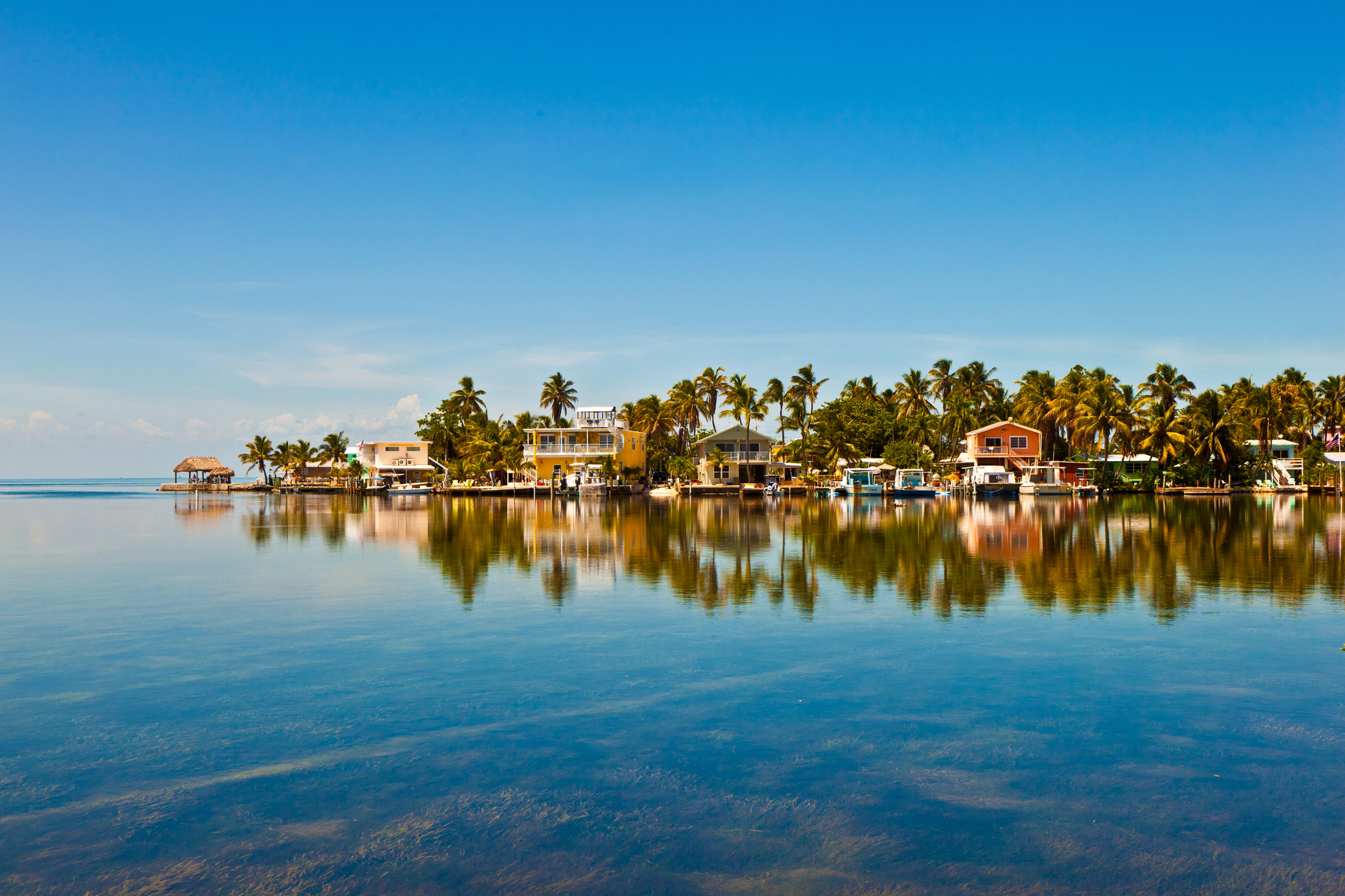
Anchoring the western terminus of the archipelago, Key West is an established epicentre of Florida Keys yachting. Its sheltered harbour basins, historic Bight seaport area, and commercial marina facilities cater to visiting charter yachts, sailing vessels, and multihulls seeking access to open waters.
Day charters here centre on sunset cruises past Mallory Square, swimming excursions toward shallow coastal anchorages, or offshore reef runs, subject to sea conditions and vessel draft. For capable term charters with appropriate provisions and weather windows, Key West also serves as the customary embarkation point for voyages westward toward the remote waters of Dry Tortugas National Park, subject to vessel self-sufficiency, park regulations, and prevailing weather.
Key Largo
Serving as the northern threshold of the Keys, Key Largo offers rapid road access from Miami. Flanked by John Pennekamp Coral Reef State Park waters, it is celebrated for reef excursions and protected passages into southern Biscayne Bay and Card Sound, subject to vessel draft and local channel depths.
Islamorada
Comprising multiple distinct islands, Islamorada is famed for its active boating culture and sport angling heritage. Cruising here frequently involves day anchorages near local sandbars, mangrove channels, and offshore trolling along the Atlantic reef line, where vessel dimensions and tidal depths permit.
Marathon & Boot Key
Situated midpoint in the island chain near the Seven Mile Bridge, Marathon provides full-service marina facilities and protected harbours such as Boot Key Harbor. It serves as an essential staging hub and provisioning stop, with navigation options connecting both Florida Bay and Atlantic fairways subject to bridge clearances.
Lower Keys & Big Pine Key
Characterised by quiet mangrove estuaries and the shallow channels of the Great White Heron National Wildlife Refuge. Its sensitive flats require shallow-draft vessels or tenders, rewarding visitors with quiet nature viewing while observing strict shallow-water protection rules.
Hawk Channel
Running between the mainland island chain and the outer barrier reef tracts on the Atlantic side, Hawk Channel provides a marked coastal passage for cruising motor yachts and sailboats transiting between island hubs, partially buffered from deep-ocean swells.
Dry Tortugas National Park
Located west of Key West across open water, this remote national park features historic Fort Jefferson and surrounding coral cays. Accessible only by seaworthy, autonomous vessels, it requires total self-sufficiency for fuel, fresh water, and waste holding, alongside adherence to national park anchoring and permit guidelines.
Florida Keys Island-Hopping Itineraries
Designing a realistic Keys itinerary requires balancing vessel cruising speed and draft against bridge clearances, tidal holding, and navigation fairways.
| Itinerary Style | Typical Duration | Cruising Territory | Operational Considerations |
|---|---|---|---|
| Upper Keys Reef & Bay Day Cruise | Half-day (4 hrs) or full-day (8 hrs) | Key Largo, Rodriquez Key, Grecian Rocks, or John Pennekamp waters | Ideal for swimming and snorkeling; passages stay within sheltered sound or inner reef line, subject to local depths. |
| Islamorada Sandbar & Estuary Cruise | Full-day (6–8 hrs) | Whale Harbor area, Snake Creek, and bayside mangrove channels | Tidal depth dictates sandbar approach; shallow-draft vessels or tenders favored. |
| Middle Keys Coastal Explorer | Full-day or overnight (1–2 days) | Marathon, Sombrero Reef area, and passage near the Seven Mile Bridge | Atlantic access via marked bridge channels; reef diving dependent on conditions and mooring buoy availability. |
| Key West Harbor & Reef Outing | Half-day, full-day, or sunset (4–8 hrs) | Key West Bight, Mallory Square, Sand Key, and adjacent shallow flats | Scenic coastal vistas; protected waters around inner sandbars for paddleboarding where depth permits. |
| Multi-Day Island Chain Voyage | Multi-day term charter (several days to a week or more) | Progressive cruising between Upper, Middle, and Lower Keys via Hawk Channel | Requires coordinated transient dockage, fuel range planning, and attention to weather windows and bridge clearances. |
Reefs, Marine Sanctuaries & Responsible Cruising
The Florida Keys are home to the Florida Keys National Marine Sanctuary (FKNMS), administered by NOAA in partnership with the State of Florida, encompassing thousands of square nautical miles of coastal and offshore waters surrounding the entire island chain.
Charters operating within these federally protected waters are subject to general environmental regulations as well as specialized zone-specific management rules designed to safeguard fragile coral reef ecosystems, mangrove shorelines, and expansive seagrass flats:
Sanctuary Mooring Buoys & Zone-Specific Restrictions
Dropping anchor directly onto living coral reefs is strictly illegal under federal maritime law. Throughout popular reef areas—such as Molasses Reef, Sombrero Reef, and Looe Key—sanctuary authorities maintain color-coded mooring buoys. However, mooring buoys are rated for specific vessel length and weather thresholds and are available strictly on a first-come, first-served basis; they are not universally suitable for all vessels. In non-restricted zones, anchoring must be conducted strictly in designated sandy bottom areas well clear of coral formations and seagrass beds.
Environmental Rules Charterers Must Observe
- No-Discharge Zone: The entire Florida Keys National Marine Sanctuary is a federally designated No-Discharge Zone. Vessel marine sanitation devices must remain secured, and all overboard blackwater discharge is strictly prohibited within sanctuary waters.
- Seagrass Flats & Idle-Speed Zones: Running aground on shallow seagrass flats causes severe propeller scarring, resulting in substantial federal and state environmental penalties. Operators must observe all marked Idle Speed / No Wake and shallow-water protection channels.
- Sanctuary Preservation Areas (SPAs) & Special Management Zones: Specific high-value coral tracts, Ecological Reserves, and Wildlife Management Areas carry distinct zone-specific rules. In no-take SPAs, consumptive activities such as fishing, lobstering, and spearfishing are strictly forbidden, while certain Wildlife Management Areas restrict motorized vessel access entirely.
- Wildlife Protection: Federal and state laws strictly prohibit feeding, pursuing, touching, or harassing protected marine wildlife, including West Indian manatees, sea turtles, and wild bottlenose dolphins.
Marinas, Boarding & Departure Logistics Across the Keys
The linear geography of the Florida Keys means that road transit along the Overseas Highway directly impacts your departure arrangements.
Key Largo Marinas
Located south of mainland Miami, Key Largo offers straightforward highway access. Marina facilities here provide staging for reef outings and sound cruising without the extended drive required to reach the Lower Keys, subject to vessel draft and slip availability.
Islamorada Marina Basins
Clustered around the Upper and Middle Keys transition, Islamorada marinas accommodate sportfish craft and cruising motor yachts. Boarding here offers access to local channels and Atlantic fairways, subject to controlling depths.
Marathon Marina Facilities
Centered around the middle of the island chain, Marathon hosts established marina facilities providing access to both Florida Bay and Atlantic waters, avoiding certain low fixed bridges depending on the selected route.
Key West Seaport Facilities
Located at the western terminus of the Overseas Highway, Key West features commercial facilities such as the historic Bight and surrounding marina basins, accommodating multihulls, sailing craft, and cruising motor yachts.
Overseas Highway (US-1) Timing
The Overseas Highway is predominantly a two-lane road subject to traffic fluctuations and weekend congestion. Travel times can vary considerably; plan arrival schedules carefully to ensure timely boarding.
Boarding Protocols
Shoreside parking varies widely between private valet, dedicated marina lots, and municipal parking. For multi-day charters, soft-sided duffel luggage is recommended for compact cabin storage, and provisioning orders should be coordinated in advance.
Florida Keys Yacht Charter Costs Explained
Charter rates in the Florida Keys reflect the vessel’s length overall, shipyard pedigree, hull configuration (motor yacht, catamaran, or sailing sloop), seasonal demand, and booking duration.
To evaluate proposals accurately, distinguish between the advertised base rate and the total expected expenditure:
1. Base Charter Fee
The base rate covers the private hire of the yacht for the agreed timeframe. On local day charters, this is commonly quoted as a half-day (typically 4 hours) or full-day (typically 8 hours) figure. On multi-day term charters, base fees are quoted on a weekly basis, commonly utilising standard brokerage agreements (such as FYBA or MYBA contract forms).
2. Captain & Crew Compensation
In crewed charter arrangements, mariner compensation may be bundled into an all-in rate or itemized separately depending on whether the vessel operates under a commercial passenger structure or a genuine bareboat demise charter. Under a genuine bareboat charter, the legal test centres on the charterer's genuine custody of the vessel and independent freedom to hire qualified crew, rather than invoice presentation alone.
3. Fuel Consumption & Surcharges
On local day trips around nearshore sandbars or mangrove channels, operators frequently include standard low-speed fuel in their quotation. However, long-distance runs down Hawk Channel, high-speed offshore cruising, or generator hours for continuous air conditioning will increase fuel consumption, which is billed based on actual usage or through a pre-agreed fuel surcharge.
4. Dockage, Port Fees & Applicable Taxes
Commercial boat rentals and yacht charters operating in Florida are subject to applicable Florida state sales tax and county discretionary surtaxes (Monroe County surtaxes apply across the Keys). Transient dockage at luxury resort marinas, embarkation fees, and overnight slip tariffs vary by facility.
5. Gratuity Etiquette
In the US maritime industry, crew gratuity is discretionary and customary for attentive, professional service. Tipping expectations vary depending on the level of service, vessel class, and contract terms. Charterers should verify whether gratuity is left entirely to their discretion or if standard industry ranges are suggested in the booking agreement.
What to Request in an Itemised Florida Keys Yacht Charter Quote
To ensure fair comparison between external charter operators, request a written, line-by-line quote confirming:
For a comprehensive international perspective on how operating expenses are structured on larger vessels, consult our detailed analysis on how much it costs to charter a yacht for a week.
Passenger Capacity, Captain Licensing & Vessel Documentation
One of the most critical aspects of arranging a private yacht charter in the Florida Keys is verifying the vessel's authorized passenger capacity. In the United States, maritime safety regulations establish strict legal standards for carrying passengers for hire.
Commercial charter operations fall under distinct regulatory classifications rather than informal size brackets:
1. Uninspected Passenger Vessels (UPVs / Small Passenger Operations)
Commercial vessels carrying passengers for hire that do not hold a formal Coast Guard commercial Certificate of Inspection operate under specific statutory carrying thresholds. Commonly known in recreational chartering as "6-pack" vessels when operating under standard uninspected parameters, their permitted carrying capacity depends on the vessel's measured gross tonnage, design, and regulatory classification. The vessel must be operated by a credentialed mariner holding appropriate USCG licensing (such as an Operator of Uninspected Passenger Vessels license or a Master Mariner credential). Charterers should verify the specific authorized carrying capacity designated on the vessel's official documentation.
2. Genuine Bareboat (Demise) Charter Agreements
Under federal maritime law, a genuine bareboat charter is an arrangement where the charterer takes temporary legal possession, custody, and operational control of the vessel. In a legitimate bareboat charter:
- Charterer Control: The charterer assumes legal responsibility for the vessel during the charter term, including voyage direction, navigation decisions, and passenger conduct.
- Independent Crew Selection: The charterer must be genuinely free to select, hire, and discharge their own qualified captain and crew. While an owner or broker may provide a roster of qualified mariners, requiring a specific captain as a mandatory non-negotiable bundle can compromise a genuine bareboat arrangement under Coast Guard scrutiny.
- Crew Engagement & Agency: The legal substance of the relationship rests on the charterer acting as the temporary employer or principal of the crew, regardless of the administrative disbursement mechanism specified in the agreement.
- Passenger Thresholds: Statutory passenger carrying limits under bareboat operations depend on the vessel's specific documentation, statutory gross tonnage, and whether the arrangement constitutes a recreational demise charter or a commercial passenger operation. Authorized carrying numbers must be evaluated against the specific vessel's statutory classification and Coast Guard guidelines.
3. Commercial Passenger Vessels & Inspection Standards
When a vessel carries passengers for hire outside the uninspected passenger ceiling and does not operate under a genuine bareboat agreement, it must comply with applicable Coast Guard commercial inspection and certification standards (such as holding an official USCG Certificate of Inspection / COI). These vessels undergo recurring engineering, stability, fire protection, and structural safety evaluations, and crews participate in mandatory safety and drug-testing programmes. Charterers planning events for larger groups should verify the vessel's specific regulatory credentials and legal capacity in advance.
Best Time to Charter a Yacht in the Florida Keys
The Florida Keys offer a 12-month boating calendar, but cruising conditions, humidity, wind patterns, and reef visibility shift throughout the seasons.
| Season | Months | Weather & Maritime Profile | Cruising Dynamics |
|---|---|---|---|
| Winter Peak | December to April | Generally cooler, drier air with lower humidity. Periodic northern cold fronts bring brisk breezes and shifting winds. | High charter and marina demand throughout the Keys. Cold fronts can generate choppy Atlantic reef conditions, prompting captains to adjust routes toward protected lee channels. |
| Spring Transition | May to June | Warming air and ocean temperatures with moderate seasonal breezes. June 1 marks the official start of the Atlantic hurricane season. | Active boating season with comfortable conditions between systems; water clarity on the reef remains variable based on recent local winds and tides. |
| Summer Tropical | July to September | High heat, elevated tropical humidity, regular afternoon convective thunderstorms, and active Atlantic hurricane season. | Periods of light surface winds can produce smooth seas, but afternoon squalls require vigilant radar monitoring; tropical weather alerts may alter itineraries. |
| Autumn Transition | October to November | Transitioning breezes, gradually lowering humidity, and the concluding phase of the Atlantic hurricane season (ending November 30). Late October features Key West's Fantasy Fest. | Quieter shoreside atmosphere outside of major festival weeks; cruising conditions depend on late-season tropical activity and early winter cold fronts. |
Navigational Note: The official Atlantic hurricane season extends from June 1 through November 30, during which tropical depressions, storms, or hurricanes can impact South Florida waters. Throughout the year, licensed captains continually monitor Doppler radar and National Weather Service marine bulletins to adjust itineraries toward protected channels or secure early dockage when conditions warrant.
Which Florida Keys Charter Option Fits Your Plans?
Matching your party's profile to the proper vessel category and charter format ensures optimal comfort, safety, and financial value.
Couples' Private Outing
Ideal for couples seeking a 2- to 4-hour introduction to the Keys from the water. A captained day cruiser, classic sailboat, or express yacht provides relaxed sightseeing through historic harbours and romantic sunset views.
- Departure marina location and proximity to your hotel.
- Whether fuel is fully included for standard sunset routes.
- BYOB policies and onboard cooler provisions.
Family Day on the Water
Best suited for families seeking a 4- to 8-hour day combining coral reef snorkeling at John Pennekamp or Sombrero Reef with sandbar relaxation. Choose a vessel whose documented legal guest capacity accommodates your group.
- Child-sized life vests, swim ladders, and shaded aft deck seating.
- Availability of snorkel equipment and floating water mats.
- Functional private head (bathroom) facilities aboard.
Small Group Celebrations
Tailored for milestone birthdays, bachelor/bachelorette gatherings, or friends anchoring at the Whale Harbor or Key West sandbars. Mid-sized flybridge yachts or sailing catamarans offer stable platforms and integrated sound systems.
- Confirmed guest headcounts relative to the vessel’s legal capacity.
- Operator sandbar policies and shallow-water anchoring rules.
- Auxiliary sound system connectivity and cleaning deposit terms.
Luxury Private Hospitality
Configured for executive corporate entertaining or upscale evening hospitality. A fully crewed motor yacht (55–85+ feet) with dedicated captain and professional steward provides attentive service, elegant salons, and optional private catering.
- Shoreside boarding aesthetics and marina valet parking arrangements.
- Catering delivery access and galley equipment capabilities.
- Formal written breakdown of all crew fees and local sales taxes.
Sailing Enthusiasts
Configured for guests who prioritize authentic wind-powered cruising along the reef line. A capable sailing monohull or cruising catamaran allows guests to navigate Hawk Channel or Key West's historic channels under sail.
- Whether itineraries emphasize active sailing or auxiliary motoring.
- Vessel keel draft relative to planned shallow-water anchorages.
- Shaded bimini coverage in the guest cockpit.
Multi-Day Island Hoppers
Tailored for multi-day term voyages cruising between the Upper, Middle, and Lower Keys, or westward toward Dry Tortugas. Best suited to a capable, multi-stateroom motor yacht or catamaran operating under an appropriate term charter contract.
- Advance Provisioning Allowance (APA) terms and fuel accounting.
- Stateroom configurations, air conditioning, and fresh-water capacity.
- Transient marina reservations and weather-window flexibility.
Practical Checklist for Planning Your Florida Keys Yacht Charter
Chartering a private vessel requires straightforward preparation. Follow these foundational guidelines to ensure a seamless experience on the water.
Vessel Identity
Confirm the yacht's actual name, build year, and verified photographs to ensure the vessel matches the listing presentation.
Passenger Capacity
Verify that your guest headcount complies with the vessel's authorized legal operating category (UPV, bareboat, or COI).
Captain Credentials
Ensure your captain holds an active, verified US Coast Guard Merchant Mariner Credential and appropriate commercial charter insurance coverage.
Departure Marina
Confirm the exact marina slip address, gate access codes, and shoreside parking arrangements along the Overseas Highway.
Cruising Itinerary
Align your 4-hour or 8-hour duration with realistic navigation distances (e.g. nearshore sandbar vs. outer barrier reef run).
All-In Cost Breakdown
Request a transparent, written quotation detailing base vessel hire, crew fees, fuel, Florida and Monroe County sales taxes, and cleaning fees.
Sanctuary Guidelines
Confirm the operator adheres to Florida Keys National Marine Sanctuary rules, including mooring buoy protocols and no-discharge standards.
Payment Schedule
Clarify deposit requirements, balance due dates, acceptable payment methods, and damage security deposit return protocols.
Weather Policies
Review contractual cancellation and rescheduling terms regarding small craft advisories, high winds, or heavy convective rain.
Frequently Asked Questions
Clear, independent answers to common questions about chartering a private yacht in the Florida Keys.
Can you charter a private yacht in the Florida Keys?
Yes. Private yacht charters operate throughout the Florida Keys, with options ranging from captained day cruisers, center consoles, and sailing multihulls to crewed motor yachts. Charters can be booked for half-day outings (typically 4 hours), full-day excursions (typically 8 hours), or multi-day term voyages, departing from commercial marina facilities in hubs such as Key Largo, Islamorada, Marathon, and Key West, subject to vessel availability and seasonal schedules.
How much does a Florida Keys yacht charter cost?
Total costs are structured around the base vessel hire, which varies according to yacht length overall, build pedigree, year of construction, and duration. Additional components include captain and crew fees, fuel provisions, applicable Florida state and Monroe County sales taxes, and discretionary crew gratuity. Term charters typically operate on weekly base rates plus an Advance Provisioning Allowance (APA) for operating expenses. Always request an itemised, written quote before paying a deposit.
Can you charter a yacht from Key Largo to Key West?
Yes, on multi-day term charters. While the linear distance along the Overseas Highway is approximately 100 miles, navigable marine routes via Hawk Channel or bayside fairways depend on vessel draft, marked channels, and bridge crossings. While fast motor yachts can cover substantial distances under optimal conditions, enjoying the route comfortably typically involves several days of progressive island-hopping with stops in Islamorada or Marathon.
Is Key West or Key Largo better for a yacht charter?
It depends on your travel goals. Key Largo is well suited for visitors driving down from Miami seeking convenient access to John Pennekamp coral reefs and quiet sound anchorages. Key West offers deep natural harbour access, vibrant nightlife, historic architecture, and access to western sandbars and sunset cruising grounds.
Are crewed catamarans available in the Florida Keys?
Yes. Sailing and power catamarans operate in the Florida Keys, particularly from hubs like Key West and Marathon. Their wide beam provides spacious outdoor lounging cockpits, while their shallow water draft permits navigation in shallower sounds and anchorages where deep-draft monohulls cannot venture, subject to specific vessel availability and local depths.
Can you rent a yacht for one day in the Florida Keys?
Yes. Private day yacht charters are widely available throughout the Keys, commonly operating on 4-hour (half-day) or 8-hour (full-day) schedules. Day charters typically focus on localized experiences, such as coral reef snorkeling at Looe Key or Sombrero Reef, sandbar gatherings at Whale Harbor, or coastal sunset cruises off Key West.
Do Florida Keys yacht charters include a captain?
Most private luxury yacht charters in the Florida Keys include or require a credentialed US Coast Guard mariner to satisfy marine insurance policies, local navigation requirements, and passenger safety. Under genuine bareboat demise agreements, the charterer engages the captain independently, whereas commercial passenger charters may bundle the mariner directly. Smaller recreational powerboats may offer self-drive options subject to boater education laws and operator vetting.
Can yachts anchor near the Florida Keys reefs?
Dropping anchor directly onto living coral is strictly prohibited throughout the Florida Keys National Marine Sanctuary. In popular reef areas, vessels utilize designated sanctuary mooring buoys where available and appropriately rated for the vessel's size and prevailing conditions, or anchor strictly in sandy bottom areas well away from coral formations and seagrass beds. Current NOAA sanctuary zoning and mooring regulations should always be verified.
What is the best season for a Florida Keys yacht charter?
Winter and spring (December through May) deliver the most comfortable, lower-humidity weather, though winter cold fronts can bring brisk winds and choppy Atlantic seas. Late spring and early summer offer warm waters and pleasant cruising between systems. Summer brings light surface breezes alongside tropical humidity and afternoon thunderstorms, while the Atlantic hurricane season officially runs from June 1 through November 30, requiring flexible weather planning.
What should I check before booking a yacht charter?
Request a written agreement confirming the yacht's identity, authorized legal passenger capacity, captain credentials, commercial charter liability insurance, and an itemised breakdown of all costs (base fee, crew, fuel, sales taxes, cleaning). Review the operator's defined cancellation and rescheduling policies regarding severe marine weather.
Explore Florida Keys Yacht Charter Options with Confidence
Whether you envision an afternoon snorkeling the living coral reefs of Key Largo, anchoring in the turquoise shallows of an Islamorada sandbar, or embarking on an extended island-hopping passage down to historic Key West, the Florida Keys provide an extraordinary marine lifestyle. Use this independent guide to evaluate charter formats, request transparent itemised quotes, and verify provider credentials.