
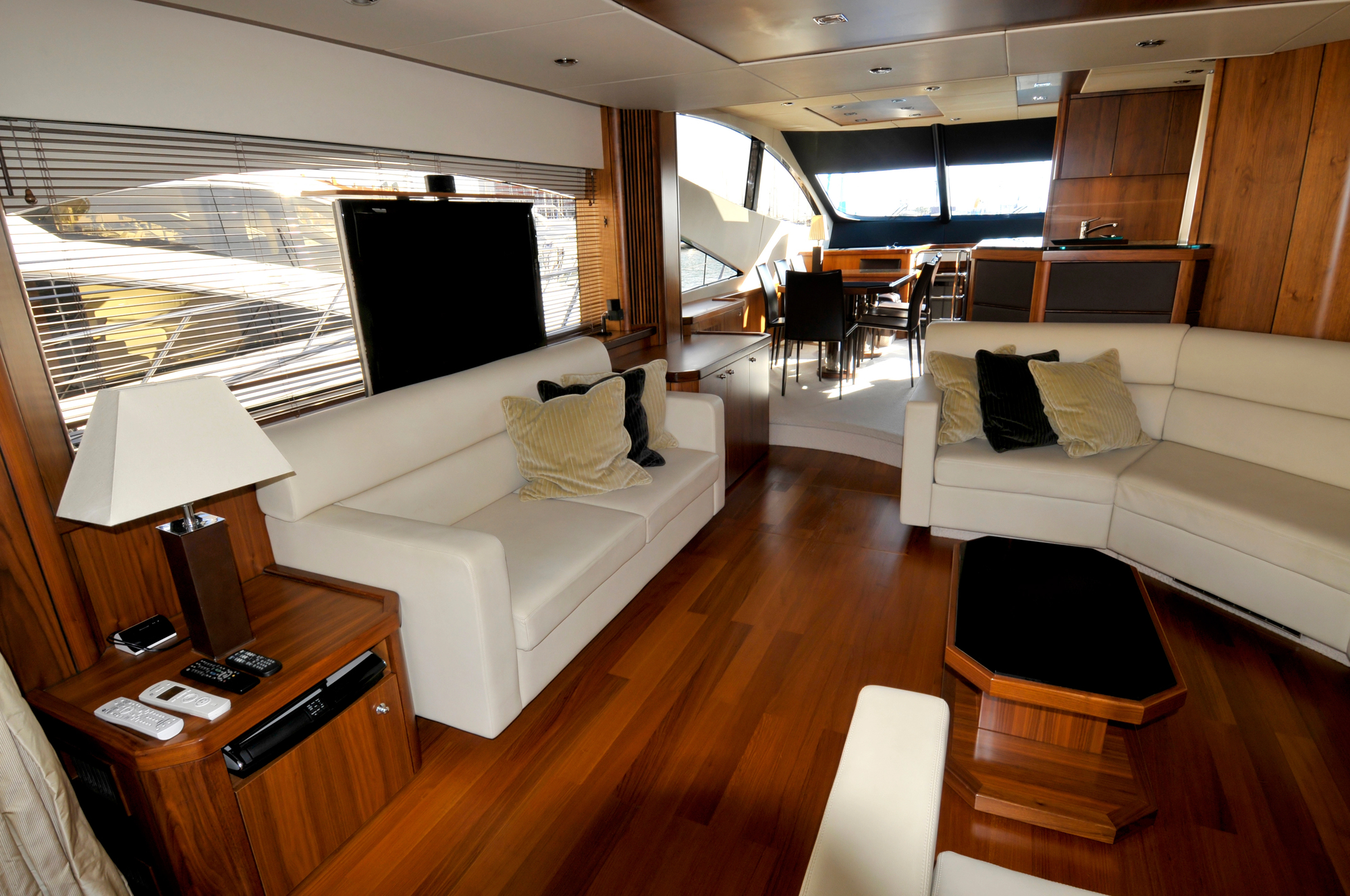
New vs Used Yachts: Which Should You Buy?
Choosing between commissioning a custom new build and acquiring a vetted pre-owned brokerage yacht shapes every dimension of your maritime journey. Compare the costs, benefits and risks of buying a new or pre-owned yacht, including customisation, delivery times, maintenance, depreciation and long-term ownership costs.
The Fundamental Acquisition Dilemma
Neither path is universally superior; rather, the choice reflects a balance between your personal appetite for bespoke customisation, your timeline for delivery, and your willingness to oversee ongoing technical maintenance.
A new-build yacht is often selected by buyers seeking greater input into specification, interior styling, and equipment selection, backed by builder warranties and initial delivery condition. However, depending on whether the vessel is an in-stock inventory hull or a bespoke build, it may involve higher initial capital, variable construction schedules, and common early-life market depreciation tendencies.
Conversely, a pre-owned brokerage yacht can provide opportunities for faster cruising deployment, potential capital efficiency per metre of length, and an established operational history. The trade-offs often involve accepting an existing general arrangement, inherited wear, and the necessity of commissioning independent technical surveys to identify deferred maintenance or refit liabilities.
The Capital Deployment Reality
"The initial purchase price of a yacht reflects only the point of entry. A heavily discounted pre-owned vessel requiring immediate machinery overhauls, teak deck replacement, and navigation upgrades can rapidly erode the financial gap between secondary brokerage and a turnkey new build."
New vs Used Yachts at a Glance
Evaluating the practical trade-offs between commissioning a shipyard new build and purchasing a secondary brokerage yacht across key operational and commercial parameters.
| Evaluation Parameter | New-Build Yacht (Custom / Semi-Custom / Production) | Pre-Owned Brokerage Yacht |
|---|---|---|
| Initial Capital Outlay | Premium initial pricing; milestone stage payments structured over construction or delivery schedules. | Lower acquisition cost per metre of length; reflects secondary market depreciation. Advertised pricing negotiable. |
| Availability & Delivery | Variable lead times: custom and semi-custom projects require build schedules based on yard capacity, though in-stock or on-spec inventory hulls can be available sooner. | Potentially rapid cruising deployment, subject to contract completion, technical surveys, sea trials, flag administration, and closing logistics. |
| Design & Customisation | Ranges from complete naval architecture and interior freedom on full-custom builds to modular options on semi-custom and production series. | Existing hull and interior configuration; modifications require post-purchase refit programmes, naval engineering reviews, and yard space. |
| Warranty & Support | Shipyard and component OEM warranties, subject to builder terms, exclusions, and negotiated contract clauses. | Typically sold "as is, where is" under maritime contract; manufacturer warranties are rarely transferable on older hulls. |
| Maintenance & Reliability | Factory delivery baseline; maiden operational seasons commonly involve resolving commissioning snags and warranty rectification items. | Condition depends on past maintenance rigor; logbooks, fluid analyses, and overhaul records must be audited. |
| Survey Requirements | Focuses on milestone construction audits, factory acceptance testing, and official commissioning sea trials where contracted. | Independent surveyors recommend inspection methods (e.g. hull sounding, plate thickness tests, engine checks, fluid analysis) based on age, material, and condition. |
| Depreciation Profile | Often subject to a steeper initial market depreciation tendency following handover and registration, though market conditions vary. | Earlier depreciation has typically already been absorbed, though ongoing valuation depends on condition, pedigree, and market demand. |
| Onboard Technology | Typically equipped with modern propulsion, emissions compliance, navigation electronics, and stabilization systems. | Technology reflects build year; may require costly upgrades to electronics, satellite comms, or wastewater plants. |
| Refit Exposure | No immediate refit anticipated, though custom snagging and post-delivery modifications may occur. | Common requirement for post-purchase capital allocation: cosmetic restyling, teak renewal, or machinery overhauls. |
| Purchase Complexity | Complex build contracts, milestone escrow payments, builder's risk insurance, and owner's technical team oversight. | Standard brokerage contracts (e.g. MYBA MOA), title searches, lien clearance, and survey renegotiation protocols. |
*Note on parameters: Contractual terms, warranties, delivery lead times, and depreciation trajectories vary substantially based on vessel scale, shipyard pedigree, hull material, and prevailing macroeconomic conditions.
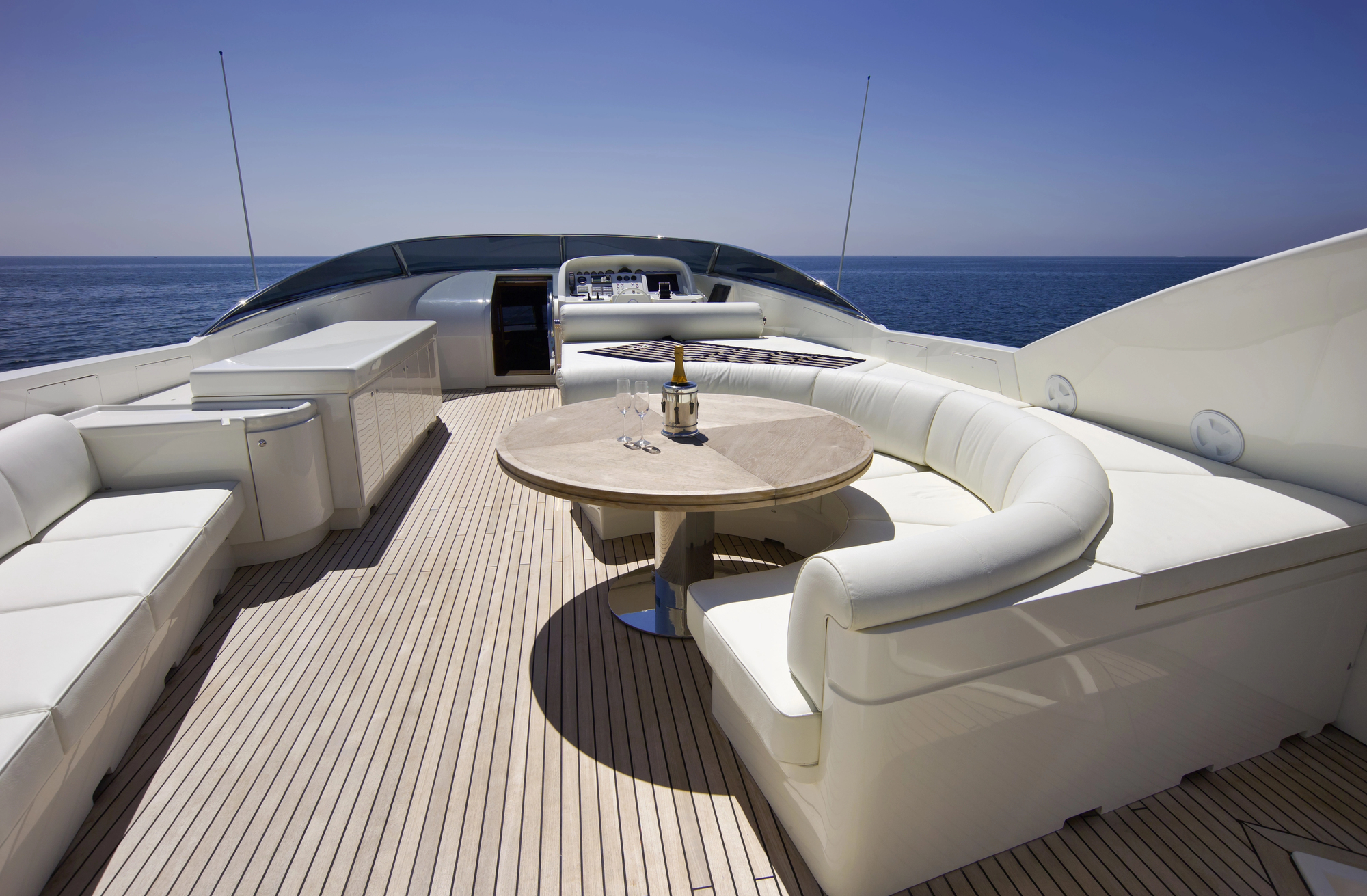
The Potential Benefits of Commissioning New
Acquiring a new yacht allows an owner to select or influence layout arrangements, joinery, and systems to match their aesthetic vision and cruising plans. The extent of personalization depends on whether the project is a production series, a semi-custom platform, or a fully bespoke build.
In addition to modern design and updated naval architecture, a new vessel typically enters service with current equipment specifications and manufacturer warranty backing that provides contractual recourse during initial voyages.
Key Potential Advantages of New Construction
- Specification & Interior Choice: On semi-custom and custom builds, owners can specify stateroom layouts, deck living arrangements, galley ergonomics, and decor to their exact preferences, while production series offer curated factory packages.
- Builder & Component Warranties: Shipyard structural warranties, hull guarantees, and original equipment manufacturer (OEM) coverage on engines and auxiliary systems offer recourse for defects during initial operating seasons.
- Modern Engineering & Efficiency: New yachts frequently incorporate contemporary hull forms, improved fuel efficiency, advanced stabilization technology (such as zero-speed gyros or electric fins), and current environmental standards.
- Factory Baseline Documentation: Systems are installed according to current engineering drawings, accompanied by manufacturer schematics, CE/class documentation, and fresh equipment service histories.
- Pride of First Ownership: Being the first owner delivers distinct personal satisfaction, providing a clean vessel baseline free from inherited modifications or past charter wear.
Disadvantages and Risks of New Construction
While the appeal of a pristine new yacht is significant, commissioning a build introduces commercial commitments, scheduling dependencies, and administrative demands.
Buyers evaluating new construction should distinguish between purchasing an on-spec stock yacht nearing shipyard completion and commissioning a semi-custom or fully bespoke project from initial drawings:
1. Variable Build & Delivery Schedules
Commissioning a yacht is an industrial undertaking. Construction lead times vary widely depending on shipyard capacity, hull material, supply-chain logistics, and bespoke customisation requirements. Unforeseen production delays, specialist subcontractor bottlenecks, or mid-build modifications can extend schedules and alter cruising plans.
2. Capital Premiums & Change-Order Escalation
New yachts command higher capital outlay than equivalent brokerage vessels. In addition, bespoke projects are susceptible to specification changes during construction. Altering marble selections, upgrading navigational arrays, or relocating bulkheads triggers contractual change orders that can escalate delivery costs beyond baseline contract sums.
3. Early Market Depreciation Tendency
New yachts often experience their most pronounced valuation adjustment in their earliest years following handover and registration. Transitioning from "brand new" to the secondary brokerage market inherently resets commercial valuation according to prevailing market liquidity and demand.
4. Commissioning Snags & Maiden Teething
Even premier shipyards deliver vessels that require a post-delivery "snagging" period. Complex integrated systems—such as multiplexed automation, chilled-water air conditioning plants, hydraulic doors, and satellite communications—frequently require operational adjustments and component replacements during initial voyages.
The Pragmatic Benefits of Pre-Owned Brokerage
The international brokerage market represents the majority of global yacht transactions. For many buyers, acquiring an established pre-owned vessel provides opportunities for faster cruising deployment, known operational performance, and capital efficiency per unit of internal volume.
By bypassing shipyard construction lead times, buyers can conclude purchase agreements, complete condition surveys, and take delivery once contractual conditions and closing formalities are fulfilled.
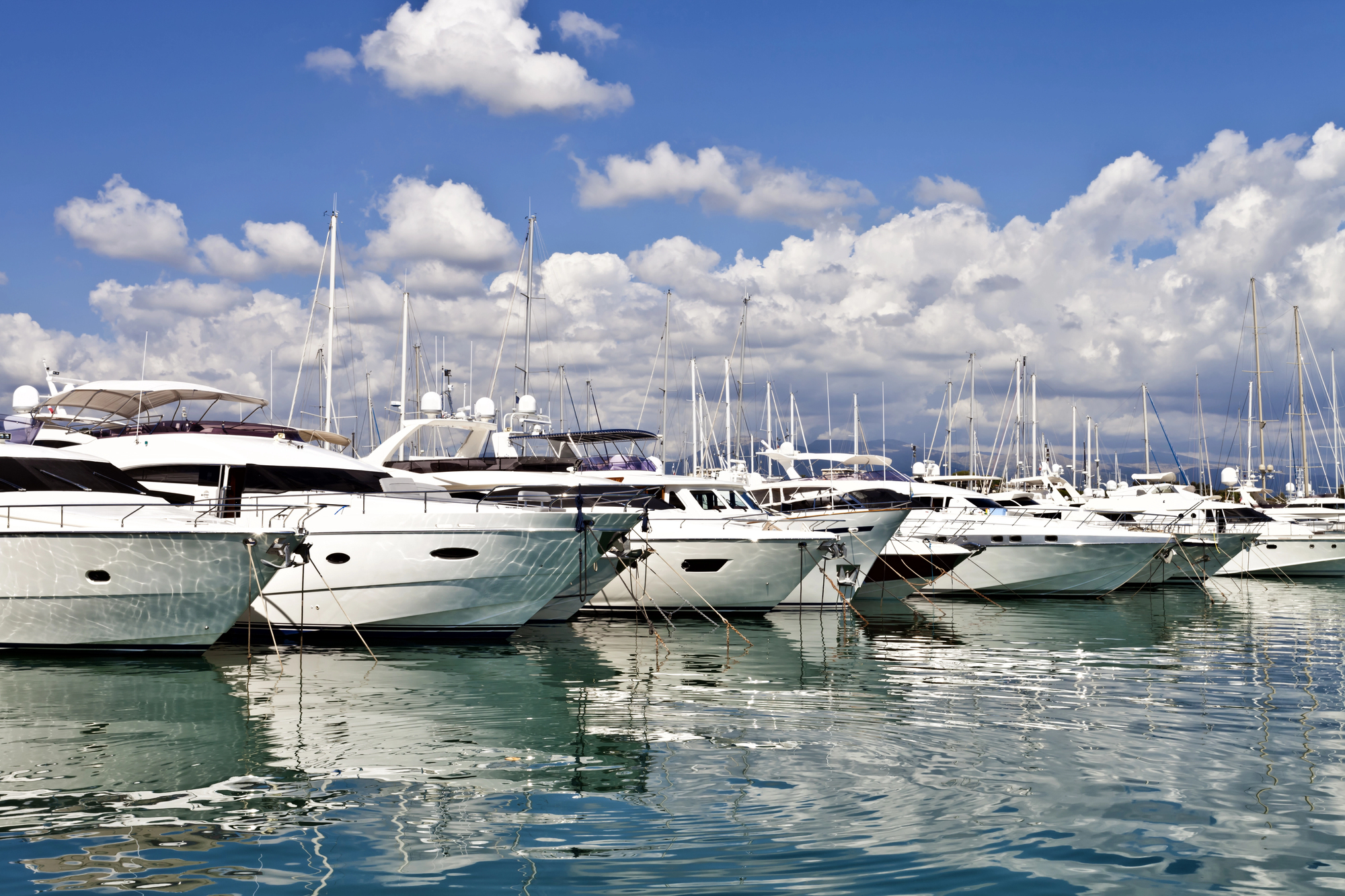
Key Potential Advantages of Pre-Owned Acquisition
- Potential for Faster Delivery: Pre-owned transactions can reach legal completion relatively quickly once surveys, sea trials, title searches, and escrow disbursements are finalized, avoiding multi-season build horizons.
- Absorbed Prior Depreciation: Secondary market pricing reflects absorbed earlier depreciation, often allowing buyers to secure larger vessels, greater gross tonnage, or higher-tier shipyards for an equivalent capital commitment.
- Established Operating Track Record: Existing yachts possess verifiable history. Logbooks, engineer records, machinery running hours, and oil analysis trends reveal how the vessel performs in authentic sea conditions.
- Negotiable Commercial Position: Brokerage transactions involve private sellers where market dynamics, survey findings, and timing provide scope for commercial negotiation, unlike fixed shipyard tariff models.
- Rectified Commissioning Teething: Early-life warranty snags, electrical tolerances, and shipyard assembly items have typically been addressed by previous owners and professional crews.
Disadvantages and Risks of Pre-Owned Yachts
Purchasing a pre-owned yacht requires thorough technical due diligence. A lower initial purchase price can be offset by deferred maintenance, component wear, and upcoming capital expenditure.
Pre-owned vessels vary substantially in historical care. Differences in past owner budgets, crew professionalism, wintering regimes, and operational intensity introduce distinct risks:
1. Deferred Maintenance & Concealed Wear
Attractive cosmetic presentation can mask mechanical or structural deterioration. Freshly painted bilges and updated upholstery may conceal aged exhaust manifolds, corroding sea cocks, worn cutless bearings, or aged composite cores. Addressing neglected systems requires unscheduled shipyard interventions.
2. Post-Purchase Refit Allocations
Secondary acquisitions frequently necessitate capital allocation after closing. Whether renewing worn teak decks, updating legacy navigation bridges, overhauling major generators, or redecorating guest cabins to personal taste, these investments should be modeled within the overall acquisition budget.
3. Legacy Technology & Regulatory Shifts
Older vessels feature equipment reflecting their build era: dated AV/IT systems, inefficient generators, or stabilizers that lack zero-speed functionality. Older diesel propulsion may also face regional emissions restrictions or environmental zoning limits in sensitive cruising areas.
4. Documentary Due Diligence Complexity
Established vessels accumulate history across multiple owners, flag states, and refit yards. Verifying the unbroken chain of Bills of Sale, historical mortgage satisfactions, VAT customs documentation, and class survey certifications requires detailed maritime legal examination.
Understanding Depreciation and Resale Dynamics
A luxury yacht should be viewed primarily as a lifestyle asset and an ongoing operational expenditure commitment, rather than a capital-appreciating financial investment.
Depreciation in yacht ownership is influenced by market liquidity, vessel category, and ongoing care. While new builds often experience an initial valuation drop upon handover, long-term secondary market performance is shaped by multiple tangible factors:
Brand Recognition & Pedigree
Yachts from recognized shipyards with established global reputations tend to attract broader buyer interest, though market demand and pricing still depend heavily on maintenance and configuration.
Continuous Technical Provenance
A vessel with documented maintenance history, regular machinery servicing, clear class standing, and proactive refits commands greater buyer confidence than a vessel with incomplete service logs.
Conventional Spatial Design
Yachts configured with standard, sought-after cabin configurations (e.g. on-deck master stateroom, balanced guest suites) appeal to a broad buyer pool, whereas idiosyncratic layouts restrict liquidity.
Charter Certification Standing
Vessels maintained under active commercial charter compliance (e.g. REG Yacht Code, MCA) offer incoming buyers the optionality of charter income, preserving broader market interest at resale.
The Total Cost of Yacht Ownership
A lower acquisition price on a pre-owned yacht does not automatically result in lower ongoing running costs. Operational overhead scales with vessel displacement, systems complexity, crewing levels, and cruising patterns.
While general industry commentary frequently illustrates annual running expenses as roughly 10% to 15% of the yacht's replacement value, this figure is an approximate industry rule of thumb only, not a reliable forecast. Ongoing annual expenditure comprises seven essential categories:
- Crew Salaries, Social Security & Management: Professional captain, chief engineer, deck, and interior personnel, encompassing payroll administration, health coverage, continuous training, and recruitment fees.
- Permanent Marina Berthing & Transient Dockage: Home slip fees in primary cruising hubs (e.g. the French Riviera, Monaco, or the Balearics) calculated strictly on length overall (LOA) and beam, alongside transient tariffs during summer voyaging.
- Routine Technical Haul-Out & Servicing: Annual dry-docking for antifouling renewal, sacrificial zinc anode replacement, prop speed polishing, sea chest servicing, and shaft alignment checks.
- Comprehensive Marine Insurance: Hull and Machinery (H&M) coverage alongside Protection and Indemnity (P&I) third-party liability and crew medical indemnification.
- Fuel, Lubricants & Bunkering: Main propulsion consumption, auxiliary generator running hours for domestic hotel loads, and auxiliary tender fuel.
- Classification Surveys & Recertification: For classed yachts, mandatory five-year intermediate and special surveys require substantial capital reserves for ultrasonic hull plate audits and tail-shaft inspections.
- Unscheduled Emergency Contingency: An accessible operational reserve to handle sudden mechanical breakdowns, gyro stabilizer overhauls, or air-conditioning chiller plant failures.
For an in-depth operational financial breakdown across crewed vessels, explore our foundational guide: How to Buy a Yacht: The Complete Buyer's Guide.
Surveys, Warranties and Due Diligence Realities
Comprehensive technical due diligence is strongly recommended whether acquiring a pre-owned brokerage vessel or commissioning a brand-new build.
Due Diligence on Pre-Owned Yachts
On a brokerage purchase, pre-purchase technical surveys protect the buyer by evaluating structural integrity and systems condition. Qualified, accredited marine surveyors (e.g. YBDSA, IIMS, SNAME) and engine specialists recommend inspection methodologies based on hull material, age, machinery, and past use, which may include:
- Hull & Structural Examination: Non-destructive moisture scanning or acoustic sounding on composite GRP, ultrasonic thickness measurements on steel or aluminium hulls where appropriate, and physical examination of rudders, shafts, and through-hulls.
- Machinery & Fluid Diagnostics: Visual inspections, borescoping of internal components where recommended, heat exchanger checks, and spectroscopic fluid sampling on main engines, gearboxes, and generators to evaluate wear indicators.
- Dynamic Open-Water Sea Trial: Evaluating systems under operating thermal loads, monitoring continuous RPM curves, exhaust temperatures, stabilizer responsiveness, and emergency bilge pumping capabilities.
Due Diligence on New Construction
Buyers of new builds also benefit from professional technical oversight. Appointing an independent Owner's Representative or Technical Surveyor can assist throughout construction:
- Milestone Stage Inspections: Reviewing hull lamination, bulkheads, acoustic insulation, and machinery installation before stage-payment funds are released from escrow, as permitted under the build contract.
- Factory Acceptance Testing (FAT): Verifying performance parameters of complex electrical, stabilization, and hydraulic systems at equipment facilities prior to shipyard installation.
- Commissioning & Handover Sea Trials: Participating in comprehensive trials to confirm contract speed, fuel burn, noise and vibration thresholds, and systems integration prior to executing the Protocol of Delivery and Acceptance.
Build Lead Times, Delivery Logistics and Availability
Delivery horizons and desired time on the water are often pivotal considerations when evaluating new builds alongside secondary brokerage.
Commissioning a New Build: Managing Project Horizons
Commissioning a new yacht involves treating the acquisition as an active industrial project. Delivery schedules are influenced by shipyard slot availability, hull engineering, and bespoke complexity:
- Production Series: Typically feature established production cadences, though availability depends on builder capacity and order backlogs.
- Semi-Custom Platforms: Utilize pre-engineered hulls and superstructures with customized interiors, balancing personalization with defined shipyard production stages.
- Full-Custom Builds: Involve bespoke naval architecture, tank testing, and unique engineering, resulting in substantial multi-season project timelines.
- In-Stock & On-Spec Hulls: Shipyards and dealers occasionally offer completed or late-stage inventory hulls that provide new-vessel condition with significantly shorter delivery lead times.
Pre-Owned Availability: Deployment Considerations
The brokerage market offers opportunities for faster acquisition once an offer is accepted. However, transaction timing still depends on completing pre-purchase surveys, sea trials, defect negotiations, flag deletion, title searches, and balance funding before handover can occur.
Which Option Suits Your Personal Circumstances?
Aligning your cruising ambitions, technical preferences, and delivery horizon with the appropriate acquisition pathway.
First-Time Yacht Buyers
Many first-time owners begin with a thoroughly surveyed pre-owned yacht to discover their cruising preferences and crewing needs without absorbing early-life new-build depreciation. Alternatively, buyers seeking full warranty recourse and modern systems may select turnkey production series hulls.
Bespoke Customisation Priorities
Owners with non-negotiable architectural requirements—such as specialized tender garages, dedicated wellness facilities, commercial helipads, or accessible elevators—frequently require the naval engineering freedom of a custom new build.
Near-Term Cruising Horizons
Buyers wishing to cruise in the upcoming season often explore pre-owned brokerage yachts or inventory stock yachts nearing shipyard completion, bypassing long build queues.
Warranty & Low-Refit Preference
Owners who prioritize factory warranty coverage, fresh baseline documentation, and minimal initial refit management often lean toward commissioning new or buying completed inventory hulls.
Technical Upgrade Enthusiasts
Pragmatic buyers who possess technical teams or refit experience can acquire solid pre-owned hulls at significant discounts, executing strategic cosmetic, navigation, and machinery modernisations to create exceptional customized value.
Long-Term Custodianship
Owners planning to hold a yacht over a decade or more can amortize early market depreciation over an extended lifecycle, enjoying tailored service from delivery through long-term family use.
Essential Questions to Ask Before Committing
Use these structured vetting checklists during consultations with shipyards, brokers, and technical advisers.
Checklist: Commissioning a New Build
Checklist: Purchasing Pre-Owned Brokerage
Costly Buying Mistakes to Avoid
Whether acquiring new or pre-owned, prospective yacht buyers should maintain vigilance against these six common pitfalls:
Committing all available capital to the initial purchase price without ring-fencing dedicated annual operational reserves for berthing, crew payroll, insurance, routine hauling, and unexpected repairs.
Waiving engine evaluations, recommended fluid diagnostics, or condition surveys on pre-owned hulls—or failing to appoint an independent Owner's Representative to oversee new construction milestones.
Allowing new interior salon upholstery, designer soft furnishings, and high-gloss hull wraps to distract from deferred machinery maintenance, corroding sea cocks, or aged navigation electronics.
Neglecting to audit the continuous chain of Bills of Sale, outstanding shipyard repair debts, crew wage claims, or unrecorded maritime liens that travel with pre-owned vessels under maritime law.
Assuming the listing broker represents your buyer interests, rather than appointing an independent buyer's broker under written agreement to negotiate pricing, terms, and survey rectifications.
Purchasing a larger or more technologically intricate yacht than your cruising requirements demand, dramatically escalating crewing headcount, marina berth limits, and ongoing refit liabilities.
Frequently Asked Questions
Clear, independent answers to essential questions regarding the choice between new builds and pre-owned yachts.
Is it better to buy a new or used yacht?
Neither option is universally superior; the ideal choice depends on your timeline, capital, and personal preferences. A new yacht offers specification input, updated technology, and manufacturer warranty support, but requires higher capital commitment, patience through build schedules (unless acquiring completed stock), and acceptance of early market depreciation tendencies. A used yacht provides opportunities for faster cruising availability, established operating history, and potential capital efficiency per metre, but carries risks of deferred maintenance, refit liabilities, and an existing layout configuration.
Do new yachts depreciate faster than used yachts?
As a general market tendency, new yachts typically experience their most noticeable valuation adjustment during their earliest years of ownership following initial registration and delivery. Pre-owned yachts have already undergone this initial adjustment, although ongoing secondary valuation fluctuates based on maintenance history, brand recognition, overall condition, and prevailing market liquidity.
Are used yachts cheaper to maintain than new yachts?
Not necessarily. While a used yacht requires lower acquisition capital, ongoing maintenance costs on older vessels are frequently higher due to aging mechanical components, forthcoming classification surveys, teak deck re-caulking, and unexpected repairs outside warranty coverage. Fixed operational expenses—such as crew payroll, insurance, marina berthing, and fuel—are governed by vessel length, beam, displacement, and systems complexity, not by purchase price.
Should a brand-new yacht undergo an independent survey?
Yes. Appointing an independent marine surveyor or Owner's Technical Representative is highly recommended during a new build. Professional surveyors audit milestone construction stages, inspect electrical switchboards, oversee composite layups, and attend official sea trials to verify contract speed, fuel burn, decibel noise levels, and equipment compliance before the final Protocol of Delivery and Acceptance is signed.
How old is too old when buying a pre-owned yacht?
Age in yachting is relative to maintenance pedigree and shipyard quality. A well-built yacht from a pedigree European shipyard that has undergone continuous preventative maintenance, engine overhauls, and regular classification refits can remain in excellent condition at 20 or 30 years of age. Conversely, an eight-year-old production yacht with deferred maintenance and poor wintering history may present severe technical liabilities.
Can you customize a pre-owned yacht?
Yes, through secondary refit programmes. Owners frequently update interior joinery, install modern audiovisual suites, repaint hulls, convert staterooms, or replace navigation bridges. However, structural modifications (such as altering watertight bulkheads, lengthening transoms, or reconfiguring major engineering compartments) require rigorous naval architectural engineering and class approval, incurring significant capital expenditure.
Are shipyard and manufacturer warranties transferable?
Warranty transferability depends strictly on the specific builder's contract and OEM supplier policies. While some component manufacturers (such as marine diesel engine builders) permit remaining warranty balance transfers to second owners subject to certified inspection, hull and shipyard structural warranties are rarely automatically transferable. Buyers of newer pre-owned yachts must verify warranty transfer conditions in writing during contractual negotiations.
What should a first-time yacht buyer choose?
The choice depends on the buyer's comfort with technical management, cruising horizon, and warranty preferences. Many advisors suggest first-time buyers evaluate well-maintained pre-owned brokerage yachts to learn their cruising patterns without incurring new-build depreciation. However, first-time buyers who prioritize full manufacturer warranty recourse, turnkey condition, and low initial maintenance may find a new production or stock inventory hull equally appealing.
Navigate Your Yacht Purchase with Clarity
Whether commissioning a bespoke new build from a premier shipyard or acquiring a thoroughly vetted pre-owned vessel on the brokerage market, the key to successful yacht ownership lies in rigorous technical due diligence, transparent operational budgeting, and qualified professional representation.
Charter A Yacht is an independent information website operated by Media Kynect Ltd, a UK-based digital publishing company. It is not a yacht brokerage, dealer, vessel owner, transaction agent, legal adviser or financial adviser. It does not arrange yacht purchases, verify listings, handle deposits or act as a party to sales agreements.
The information on this page is provided for general educational and research purposes only. While we aim to publish accurate and useful information, yacht purchase processes, technical specifications, brokerage practices, operational costs, taxes, insurance requirements and contractual obligations vary by vessel, jurisdiction and provider, and may change over time.
Third-party references or links are informational and do not imply endorsement or a confirmed commercial partnership. Any future referral relationships will be disclosed where applicable.
Readers should independently verify vessel condition, title, contractual terms, tax obligations, payment instructions and professional credentials with appropriately qualified independent maritime legal, survey and fiscal specialists.