Maldives Yacht Charter
Explore the Maldives by private yacht, from the turquoise lagoons of North Malé Atoll to the reefs of Ari and the protected waters of Baa Atoll. Discover a world of coral islands, secluded anchorages and extraordinary Indian Ocean cruising.
Beyond the Confines of a Single Island Resort
Stretching across nearly 900 kilometres of equatorial ocean, the Republic of Maldives encompasses 26 natural atolls and more than a thousand low-lying islands, sandbanks, and coral reefs.
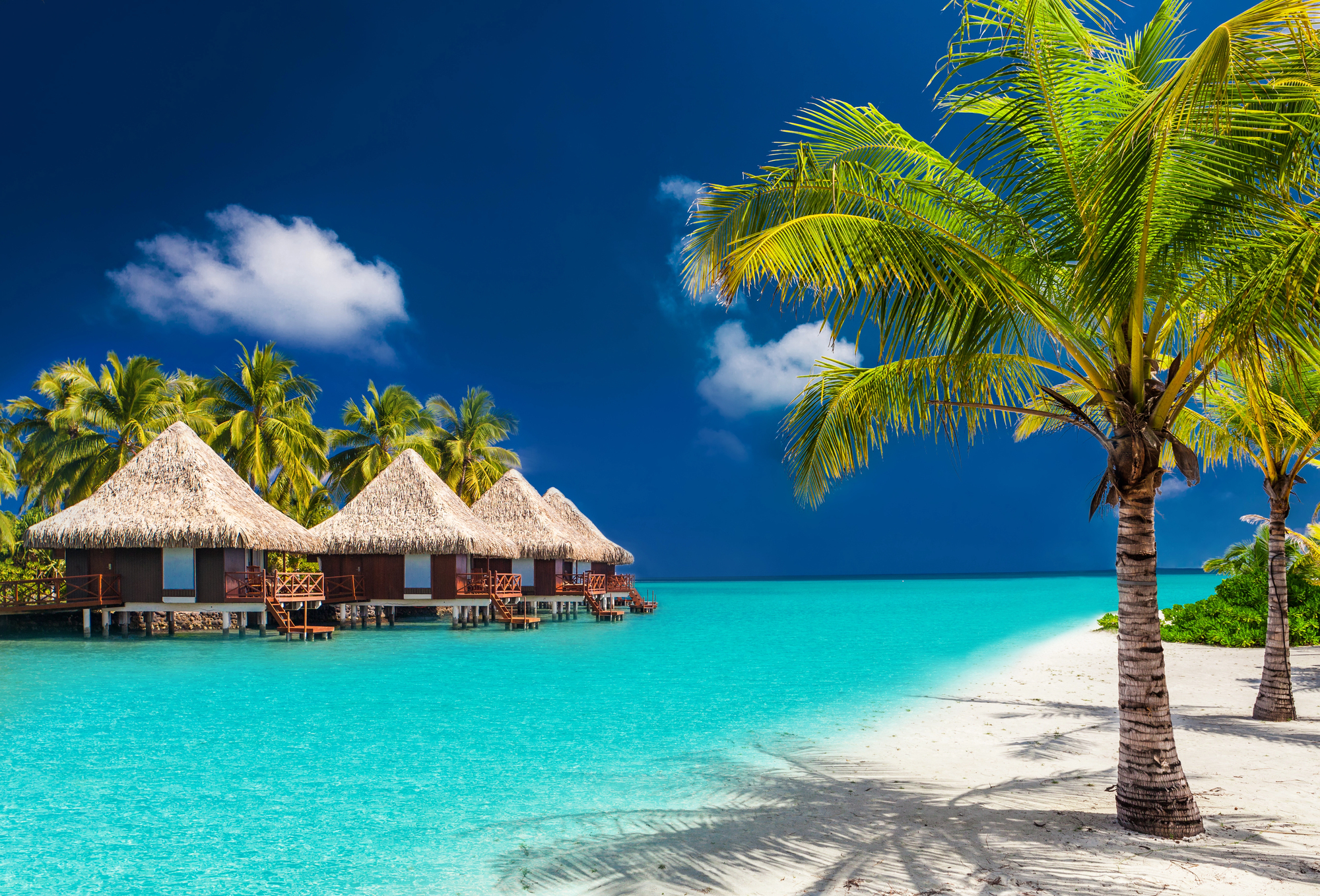
While the archipelago is celebrated for world-class island resorts, experiencing the Maldives from a private charter yacht offers a fundamentally different perspective. Rather than remaining anchored to a single jetty, a chartered vessel transforms into a mobile sanctuary. Guests can cruise between deep oceanic channels (kandus) and tranquil lagoon basins (vilus), waking each morning to an untouched horizon of white coral sand and azure shallows.
Unlike the granitic heights of the Seychelles, the Maldives is an entirely coralline realm. Navigating these atolls requires strict respect for local tidal fluctuations, chart vigilance, and skilled seamanship. Outside the immediate environs of Malé, dedicated marina docks are virtually nonexistent; private yachts operate with self-sufficient elegance, anchoring inside natural reef barriers under the watchful guidance of an experienced captain and local crew.
To explore how the archipelago fits into broader regional routes, review our overarching Indian Ocean yacht charter hub.
Atoll Navigation & Lagoon Anchorages
"Cruising in the Maldives is an exercise in reading water depth by colour. Inside the atoll rims, yachts navigate between coral pinnacles (thilas) to drop anchor in sand-bottomed lagoons protected from open-ocean swells, subject to seasonal weather and local holding."
Featured Cruising Destinations
The Maldives offers a rich contrast between accessible central atolls with excellent resort access and remote outer atolls defined by deep oceanic passes and protected reserves.
North Malé Atoll
As the primary maritime entrance to the nation, North Malé Atoll hosts the capital island of Malé and Velana International Airport (MLE). Guests step directly from the terminal to private tender docks. The atoll provides access to established yacht support facilities, high-end private island dining by prior arrangement, and classic introductory dive sites such as HP Reef and Banana Reef, making it a convenient starting point for charter itineraries.
South Malé Atoll
Separated from North Malé by the deep Vaadhoo Channel, South Malé Atoll presents a distinctly calmer atmosphere. Cruising yachts explore tranquil sandbars, quiet anchorage basins, and famous channel passes like Guraidhoo Corner. It is an ideal setting for relaxed tenders, paddleboarding in crystal shallows, and enjoying sunset anchorages away from commercial harbor traffic.
Ari Atoll (Alifu)
Divided into North and South administrative sectors, Ari Atoll is celebrated for premier marine life. Submerged reefs (thilas) such as Maaya Thila and Fish Head draw diverse fish life, while the southern outer reef off Maamigili is known as a seasonal gathering zone for whale sharks. Marine life sightings can never be guaranteed, depending on tides, plankton density, and strict local sanctuary codes of conduct.
Baa Atoll & Hanifaru Bay
Designated a UNESCO World Biosphere Reserve, Baa Atoll is globally renowned for Hanifaru Bay. During the Southwest Monsoon (typically June to November), lunar tides concentrate plankton, drawing reef manta rays and occasional whale sharks to mass-feeding aggregations. Cruising yachts are not permitted to enter or anchor within Hanifaru Bay itself; visitor access is strictly managed by Environmental Protection Agency (EPA) rangers, with scuba diving prohibited and regulated snorkelling conducted solely under certified local guides with official visitor tokens.
Vaavu Atoll (Felidhoo)
Vaavu Atoll features the longest unbroken barrier reef in the Maldives and deep, current-swept channel passes (such as Miyaru Kandu). It offers an adventurous cruising ground for experienced divers, renowned for its resident populations of nurse sharks and rays around Alimathā. Its anchorages offer solitude and oceanic drama just south of the central capital cluster.
The Outer Atolls
Venturing beyond the central cluster toward the northern havens of Haa Alifu or southward across the equator to Huvadhoo and Addu requires dedicated passage time and seaworthy vessels. These remote cruising grounds reward guests with uncrowded surf breaks, pristine lagoons, and solitary anchorages far removed from standard resort pathways.
Understanding Maldives Charter Geography
The Maldives is not a single uniform lagoon, but a chain of distinct atolls divided by open oceanic channels. Realistic itinerary design requires understanding the difference between sheltered interior cruising and deep-water passages.
The Central Atolls Circuit
Encompassing North Malé, South Malé, Ari, Baa, and Vaavu, the Central Atolls represent the core of the Maldives luxury charter industry. This region balances spectacular reef ecosystems with convenient international flight connections.
- Passage Durations: Channel crossing times vary depending on the specific route, distance, vessel speed, and prevailing sea conditions, interspersed with calm daytime cruising inside lagoons.
- Infrastructure: Immediate access from Velana International Airport, fuel bunkering, provisioning, and resort seaplane transfers.
- Suitable Vessels: Luxury motor yachts, stabilized superyachts, crewed catamarans, and bespoke safari yachts.
- Charter Duration: Highly suited to 7- to 10-day itineraries without excessive open-ocean transit days.
The Northern & Deep Southern Atolls
Stretching north toward Haa Dhaalu or south toward Gaafu Alifu (Huvadhoo) and Addu Atoll, these remote regions are separated by wide ocean passages, such as the 50-nautical-mile One and a Half Degree Channel.
- Passage Durations: Extended open-ocean transits exposed to equatorial swells, requiring careful weather windows.
- Logistics: Domestic commercial flights or private seaplane charter transfers are practical options for guest embarkation to avoid multi-day open-sea delivery runs.
- Suitable Vessels: Long-range motor yachts, blue-water catamarans, or expedition vessels with significant fuel and fresh-water autonomy.
- Planning Scope: Recommended for 10- to 14-day itineraries; not practical for a standard one-week holiday.
Types of Yachts Available in the Maldives
The local charter fleet reflects the vast distances, warm equatorial climate, and water-focused lifestyle of the Maldives.
Motor Yachts & Superyachts
Luxury motor yachts serve as private, mobile resorts across the atolls. High cruising speeds allow swift channel crossings, while modern gyroscopic or fin stabilization systems minimize roll when anchored in roadsteads exposed to swell. Multi-deck living spaces, generous tender garages, and water toys provide supreme comfort, with specific equipment varying by yacht.
Crewed Catamarans
Sailing and power catamarans are highly regarded for their shallow draft, permitting access to shallow lagoons and closer anchoring beside deserted sandbanks. Broad beam platforms offer spacious trampolines and cockpits, making them well-suited for families and relaxed leisure cruising within sheltered atolls, though crossing speeds are generally more modest.
Monohull Sailing Yachts
While less common than multihulls due to heel angles and deeper drafts, performance sailing yachts appeal to purists who relish crossing open atoll channels under canvas. Modern sailing yachts offer sophisticated air-conditioned interiors, though navigation requires heightened awareness of coral heads in shallow water.
Maldivian Safari Yachts
Custom-built Maldivian safari yachts and luxury liveaboards are specifically configured for serious diving and surf expeditions. Often accompanied by a dedicated dive dhoni (tender vessel) that houses compressors and heavy gear off the main yacht, they provide specialized support and experienced local divemasters, with onboard amenities tailored to expedition comfort.
To compare vessel formats across global cruising grounds, consult our guides to private yacht charter and luxury yacht charters.
Best Time to Charter a Yacht in the Maldives
Lying directly across the equator, the Maldives experiences warm tropical temperatures year-round (consistently averaging 28°C to 31°C). Cruising conditions, wind strength, underwater visibility, and rainfall are determined by two distinct monsoonal seasons.
Rather than a single guaranteed window, the optimal month depends on whether your priority is swimming in sheltered lagoons, pelagic diving encounters, or spirited open-water sailing, with local sea states subject to prevailing forecasts.
| Monsoon Season | Months | Wind & Meteorological Profile | Cruising & Diving Dynamics |
|---|---|---|---|
| Northeast Monsoon (Iruvai) | December to April | Settled Prevailing dry season; light to moderate breezes (10–15 knots), lower humidity, minimal rainfall, and generally settled seas. | Peak superyacht and charter season. Favourable lagoon clarity, predictable holding, and exceptional channel drift diving on eastern atoll passes, though localized chop can occur. |
| Seasonal Transition | April to May | Variable Winds shift from northeast to southwest. Warmer sea temperatures, settling winds, and intermittent squalls. | Generally warm, calm seas interspersed with brief tropical rain. Good water visibility before wind patterns establish for the wet season. |
| Southwest Monsoon (Hulhangu) | June to October | Brisk Higher humidity, occasional rain squalls, and consistent breezes (15–22 knots) with increased oceanic swell. | Prime season for surf charters on outer reef breaks. Rich nutrient upwelling triggers manta ray aggregations in Baa Atoll (Hanifaru Bay), subject to tidal timing. |
| Seasonal Transition | November | Variable Shifting winds as the atmosphere eases into the northeast cycle. Moderate breezes and decreasing rainfall. | Favourable transition period for exploring central atolls ahead of the high-season surge. |
Captain's Tip: Inside the atolls, outer reef rims break open-ocean swell, keeping interior lagoons comparatively sheltered even during breezy periods. However, open-channel crossings between atolls require planning around daily marine forecasts and tidal movements.
Maldives Yacht Charter Costs Explained
Charter pricing in the Maldives reflects vessel specifications, build pedigree, high/low season demand, and operating logistics across remote atolls. Understanding contract terms ensures financial transparency from the initial enquiry.
Charters generally operate under two commercial structures:
1. All-Inclusive & Semi-Inclusive Contracts
Selected crewed catamarans and custom Maldivian liveaboards offer inclusive terms. These quotations typically cover yacht hire, captain and crew service, standard meals, and a defined daily allowance of fuel for cruising and generators. Premium wines, bespoke spirits, scuba diving rental packages, and local marine park entry tokens are generally billed separately.
2. MYBA Terms & Operating Expenses (APA)
For luxury motor yachts, larger catamarans, and visiting superyachts, charters are booked under international standard terms (such as MYBA contracts). The base charter rate covers the bare yacht, crew wages, and marine insurance.
Operating expenses are handled through an Advance Provisioning Allowance (APA). The APA is an expense deposit managed directly by the captain on behalf of the charterer. It is an estimate determined by the specific yacht, anticipated itinerary mileage, and guest preferences, typically covering:
- Fuel & Generator Usage: Main engine propulsion for inter-atoll crossings, tender fuel, and continuous generator operation for air conditioning and freshwater desalination.
- Provisions & Cellar: Imported gourmet cuisine, fine wines, and artisanal spirits provisioned according to your group's pre-charter preference sheet.
- Protected Area Tokens & Mooring Dues: Ranger permits for marine reserves such as Hanifaru Bay, and private resort lagoon anchorage clearances where applicable.
The captain provides itemised accounting at the end of the charter; any unspent funds are refunded in full, and any shortfall is settled prior to disembarkation.
Applicable Taxes & Government Levies
In addition to the base rate and operating expenses, charter agreements are subject to statutory Maldivian charges. Depending on current fiscal legislation and the specific contractual structure, these may include the Republic of Maldives Goods and Services Tax (GST) and a daily Green Tax per guest. Your broker will verify the exact application and payment method of these taxes prior to contract signing.
To review pricing dynamics across international destinations, consult our comprehensive guide on how much it costs to charter a yacht for a week.
Seven-Day Central Atolls Itinerary
This sample route illustrates an active, ambitious week-long cruise linking North Malé, South Ari, and Vaavu Atoll. This multi-atoll triangle is best suited to faster motor yachts or settled weather windows; slower sailing catamarans or charterers seeking an unhurried pace may prefer focusing purely on a relaxed North and South Malé circuit.
North Malé, Ari Atoll & Felidhoo (Vaavu)
Embarkation & Disembarkation: Malé / Velana International Airport | Recommended vessel: Fast Motor Yacht or Stabilized Cruising Multihull
Practical Planning Advice for Your Maldives Charter
Chartering across open atolls requires meticulous preparation and local expertise. Here are key considerations when planning your voyage.
Flight Access & Transfers
Velana International Airport (MLE) in Malé connects directly with major Middle Eastern, European, and Asian carriers. Luxury tenders meet guests at the airport marina for immediate boarding, eliminating unnecessary road transfers.
Yacht Draft & Lagoon Depth
The Maldives contains thousands of shallow coral passes. While catamarans have exceptional shallow-water freedom, larger motor yachts must anchor in deeper lagoon anchorages and deploy tenders to access shallow sandbars.
Seasonal Prioritisation
Select your charter dates to align with your personal goals. The dry Northeast Monsoon (December–April) offers the most settled lagoon conditions, while the Southwest Monsoon (June–October) is prime for surf breaks and manta aggregations in Baa Atoll.
Diving & Certification
Many of the finest dive sites are current-swept channels (kandus). Guests wishing to participate in drift diving should hold Advanced Open Water certification, with local dive guides recommended or required under national maritime guidelines.
Environmental Laws
Maldivian environmental regulations strictly protect the marine biome. Single-use plastics are discouraged, touching coral or marine life is forbidden, and sunscreen should be mineral and reef-safe. Core marine reserves enforce strict no-anchoring boundaries.
Independent Broker Guidance
Charter agreements should be executed via experienced, independent yacht brokers who can ensure yachts hold valid Maldivian Cruising Permits, verified crew qualifications, and compliant operating contracts.
Frequently Asked Questions
Clear, independent answers to common questions about chartering in the Maldives.
How much does a Maldives yacht charter cost?
Weekly charter rates vary based on vessel LOA, build pedigree, year of refit, season, and crew service complement. Mid-sized crewed catamarans and custom Maldivian liveaboards often operate on semi-inclusive or all-inclusive terms, while luxury motor yachts and superyachts operate on a base charter fee plus operating expenses (Advance Provisioning Allowance and applicable Maldivian taxes/Green Tax). For a full breakdown of international pricing mechanics, consult our comprehensive guide to how much it costs to charter a yacht for a week.
What is the best month to charter a yacht in the Maldives?
The dry Northeast Monsoon (December to April) is widely considered peak charter season, offering lower rainfall, generally settled seas, and clear lagoon visibility. However, guests specifically seeking manta ray feeding aggregations in Baa Atoll often charter during the Southwest Monsoon (June to October), when tidal nutrient surges peak in Hanifaru Bay, acknowledging a higher likelihood of tropical rain and wind squalls.
Can you visit private island resorts while on a yacht charter?
Yes, but visits are strictly subject to individual resort management permissions, guest privacy policies, capacity, and prior reservations. Many high-end luxury resorts welcome charter guests for spa appointments or dinner at signature restaurants, while others maintain exclusive island access strictly for their own in-house resident guests. Your captain or broker can coordinate permissions in advance.
Are scuba diving and snorkelling equipment provided on board?
Most luxury yachts provide snorkelling masks, fins, paddleboards, and water toys as standard inventory. For scuba diving, yachts configured as dedicated dive platforms feature onboard compressors, tanks, and a certified divemaster. On yachts without an onboard dive setup, the crew arranges rendezvous diving with top-tier local dive centres who collect guests directly by tender.
How many days do you need for a Maldives yacht charter?
A seven-day charter is ideal for exploring a focused section of the Central Atolls (such as North and South Malé, or Malé and Ari Atoll) without excessive passage times. If you wish to cruise further north to Baa Atoll or embark on an extended multi-atoll expedition to the deep southern atolls, an itinerary of 10 to 14 days is strongly advised to accommodate the distances involved comfortably.
Is the Maldives suitable for first-time yacht charterers?
Yes. Inside the large atolls, the barrier reef dissipates open-ocean swells, providing calm waters for anchoring and swimming. Multihulls and modern stabilized motor yachts offer excellent comfort. For guests sensitive to motion, chartering during the settled Northeast Monsoon (December to April) provides the smoothest cruising conditions.
Can a yacht cruise anywhere in the Maldives freely?
No. Commercial charter vessels must operate under official Maldivian maritime regulations, clearing customs at designated ports and holding appropriate cruising authorisations. Furthermore, entry into marine reserves (such as Hanifaru Bay) requires specific EPA tokens and local guide supervision, and anchoring in restricted or private resort lagoons without prior clearance is prohibited.
Can you travel between the Maldives and Seychelles on one charter?
While technically possible on specialist long-range ocean explorer vessels, combining the Maldives and Seychelles within a single standard charter is not practical. The distance between the two archipelagos exceeds 1,100 nautical miles across open equatorial ocean—a multi-day blue-water passage typically reserved for vessel repositioning. Additionally, both nations maintain independent customs, immigration, and maritime cruising jurisdictions, making independent charters within one country the standard arrangement.
Plan Your Maldives Yacht Charter
Whether you envision drift diving current-swept channels, paddleboarding across calm turquoise lagoons, or waking to a private sandbank in the heart of Ari Atoll, a Maldives yacht charter provides an extraordinary marine holiday. Explore our regional guides or speak with an independent charter broker to match the ideal yacht to your journey.
Charter A Yacht is an independent editorial resource and charter broker-referral website. We do not own, manage, or operate charter vessels directly.